Hakone Guide: Day Trip or Overnight from Tokyo
Updated October 21, 2026 · Prices checked October 20, 2026
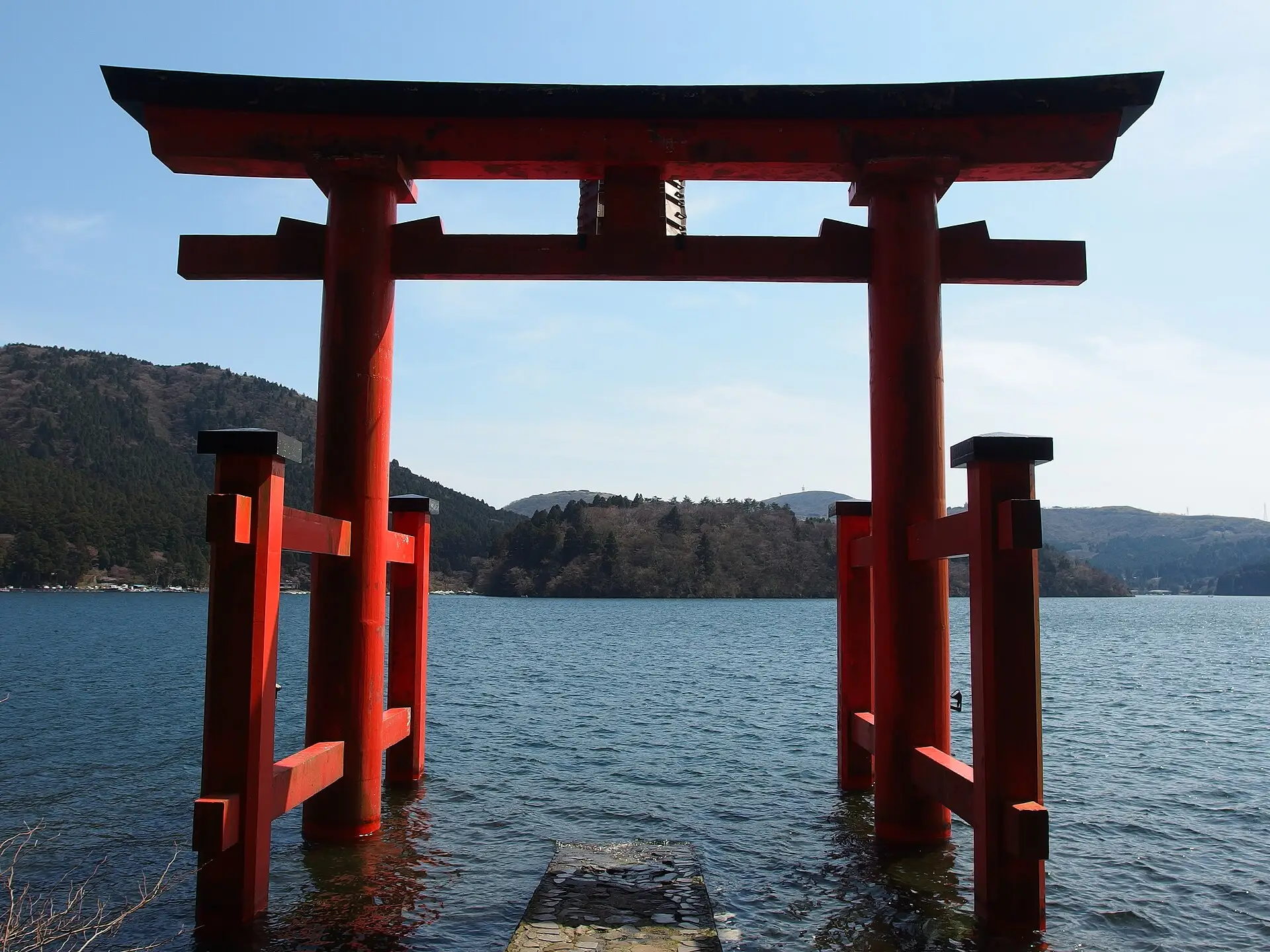
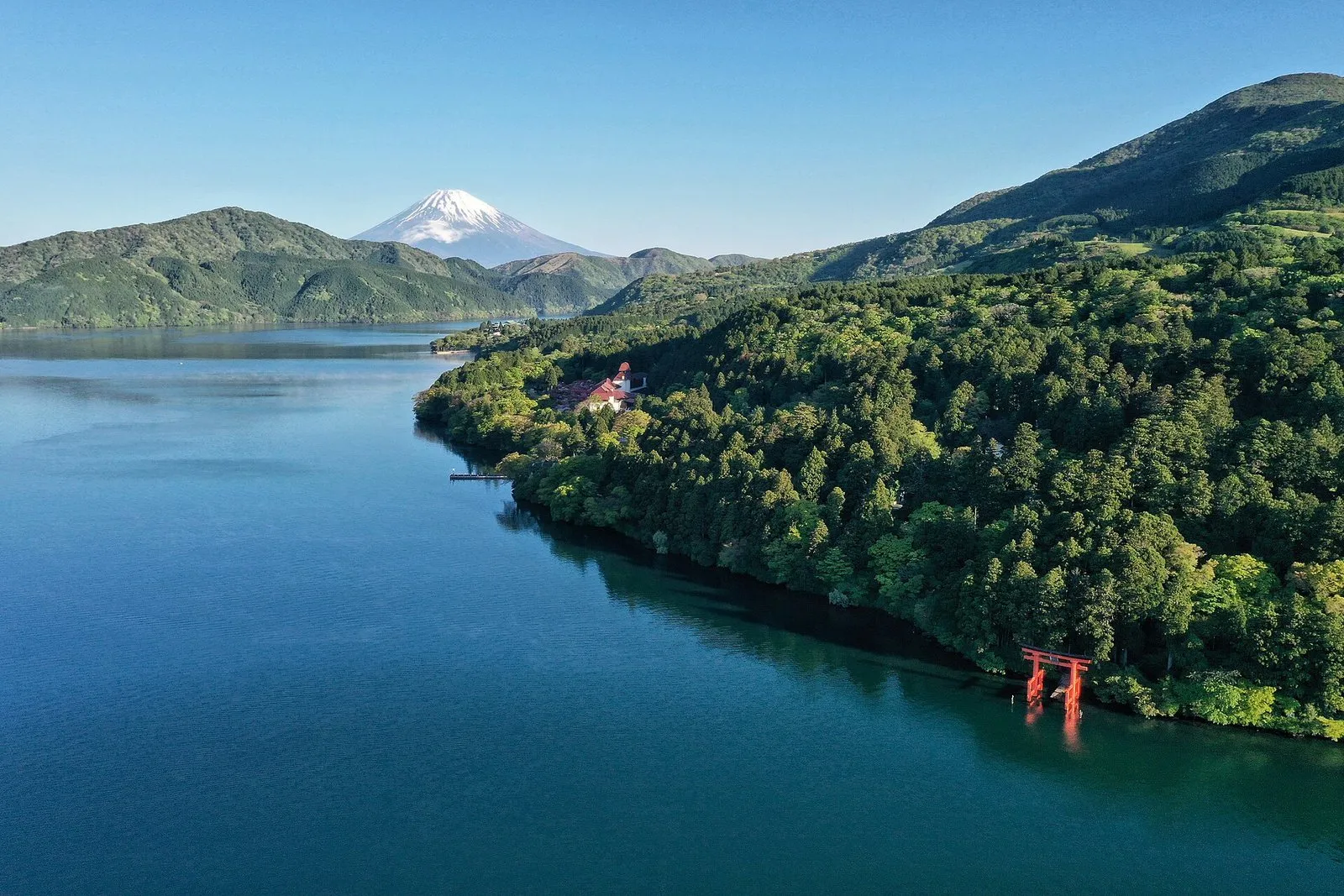
The torii of Hakone Shrine standing in Lake Ashi Photo: Guilhem Vellut・CC BY 2.0
Tours and tickets
Guided walks, day trips and attraction tickets, with reviews from other travelers.
Hakone sights on a map
16 sights · checked on official sites (2026-10-24)
Around Hakone-Yumoto
Gora, Owakudani and Sengokuhara
Lake Ashi and Hakone-en
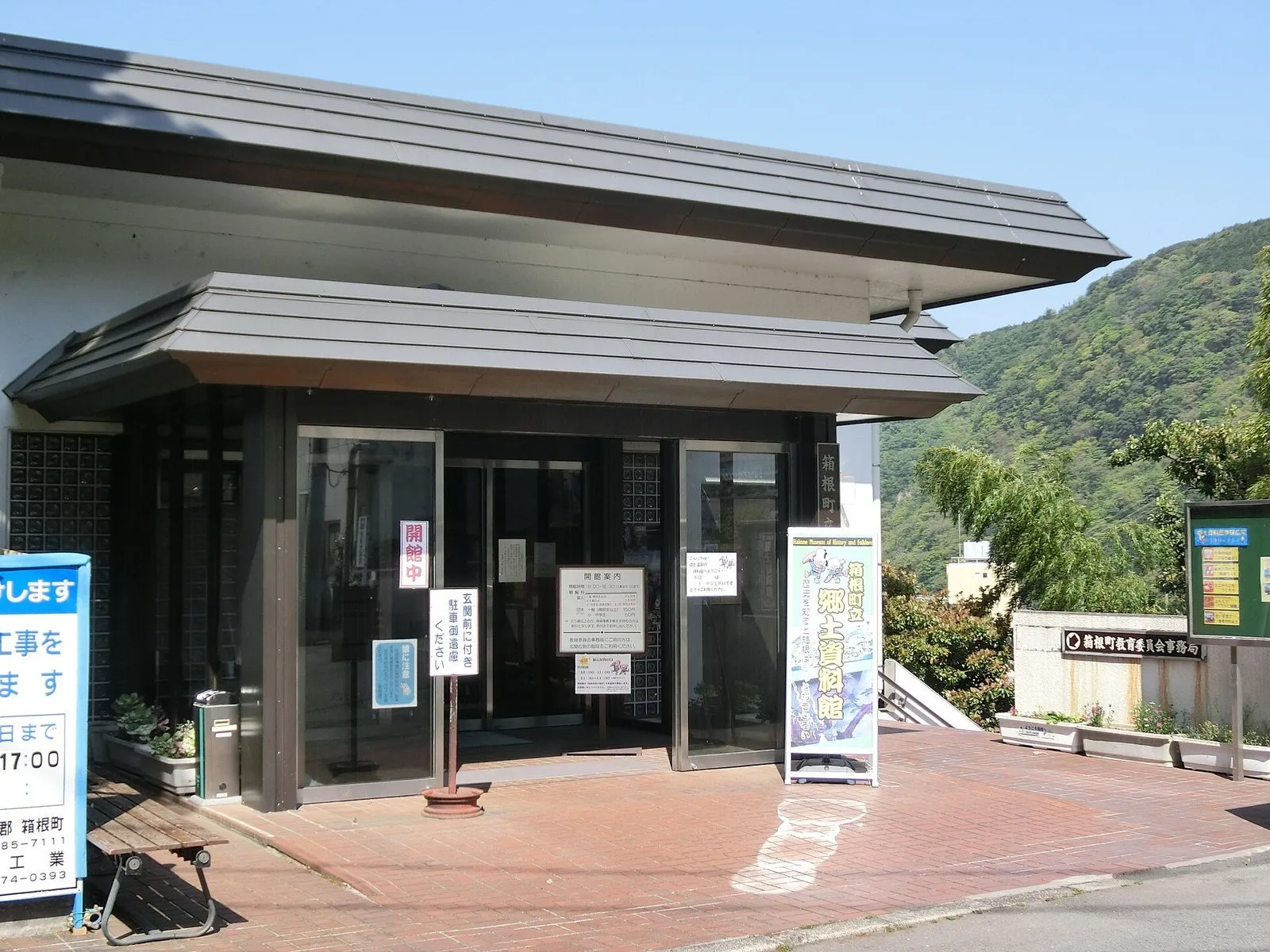
- 1Hakone Museum of History and FolkloreAround Hakone-Yumoto Station・5 min walk from Hakone-Yumoto StationA town museum that traces Hakone's hot-spring history from the Edo-period 'seven springs' to today's 'seventeen springs'.
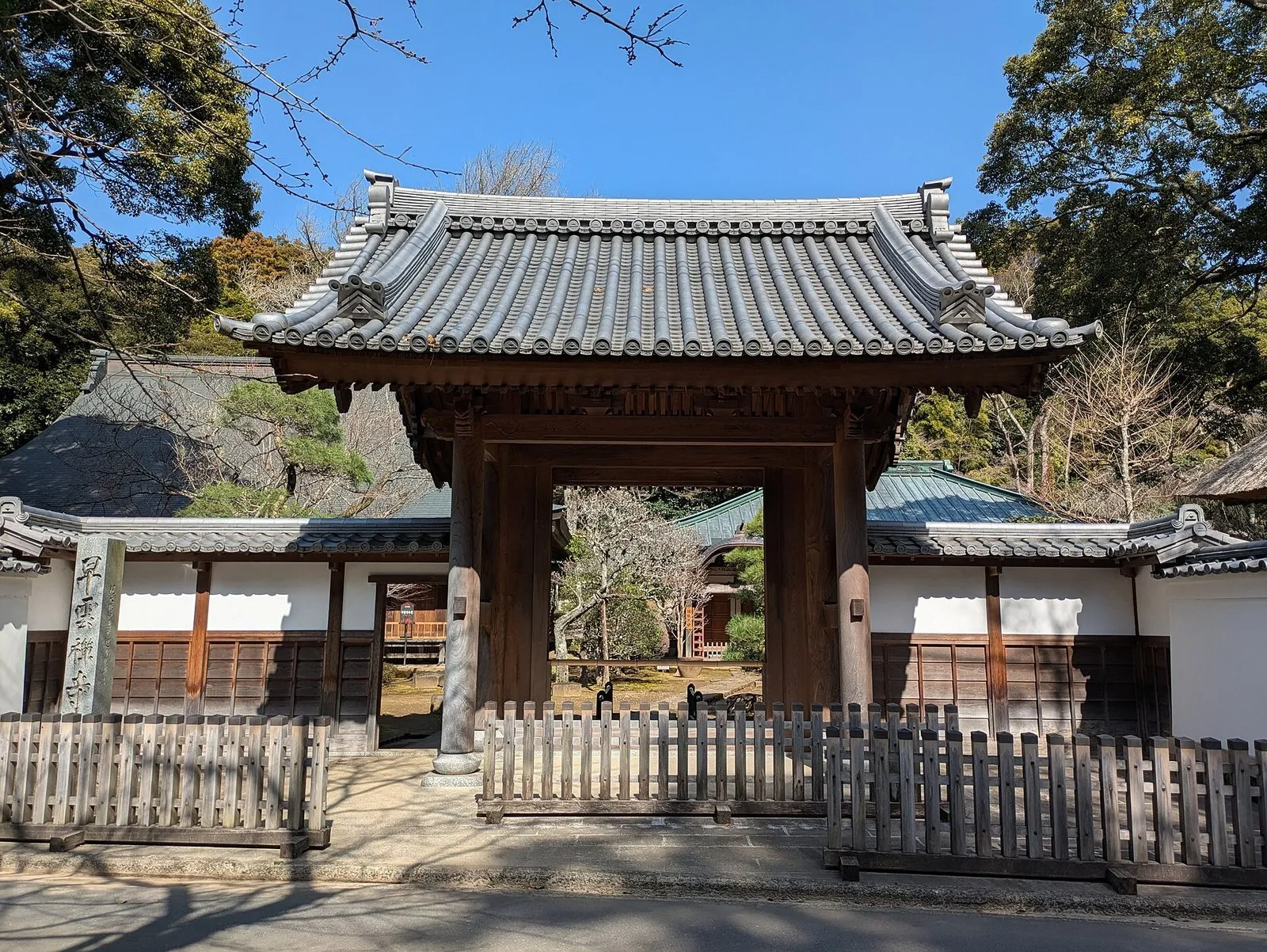
- 2Soun-ji TempleAround Hakone-Yumoto Station・15 min walk from Hakone-Yumoto StationThe family temple of the Hojo, a warlord clan of the 1500s. The graves of five Hojo lords are on the grounds.
- 3Honma Yosegi MuseumAround Hakone-Yumoto Station・10 min walk from Iriuda StationA museum of Hakone's traditional wood mosaic craft (yosegi-zaiku) and wood inlay. The workshop next door is open too.
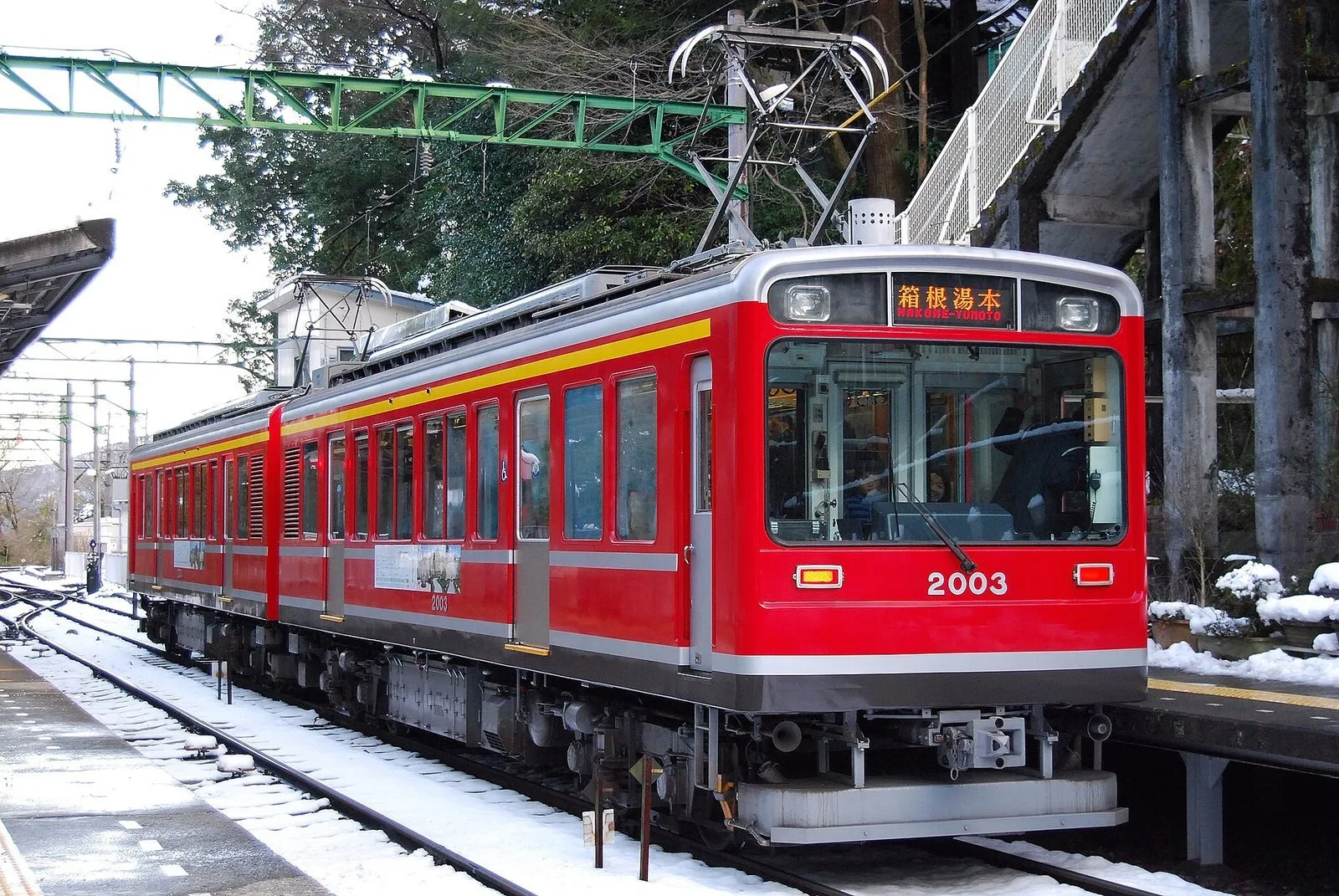
- 4Hakone Tozan TrainGora and the mountain train・Board at Hakone-Yumoto; about 40 minutes to GoraA mountain railway running 8.9 km from Hakone-Yumoto to Gora, climbing steep slopes with switchbacks.
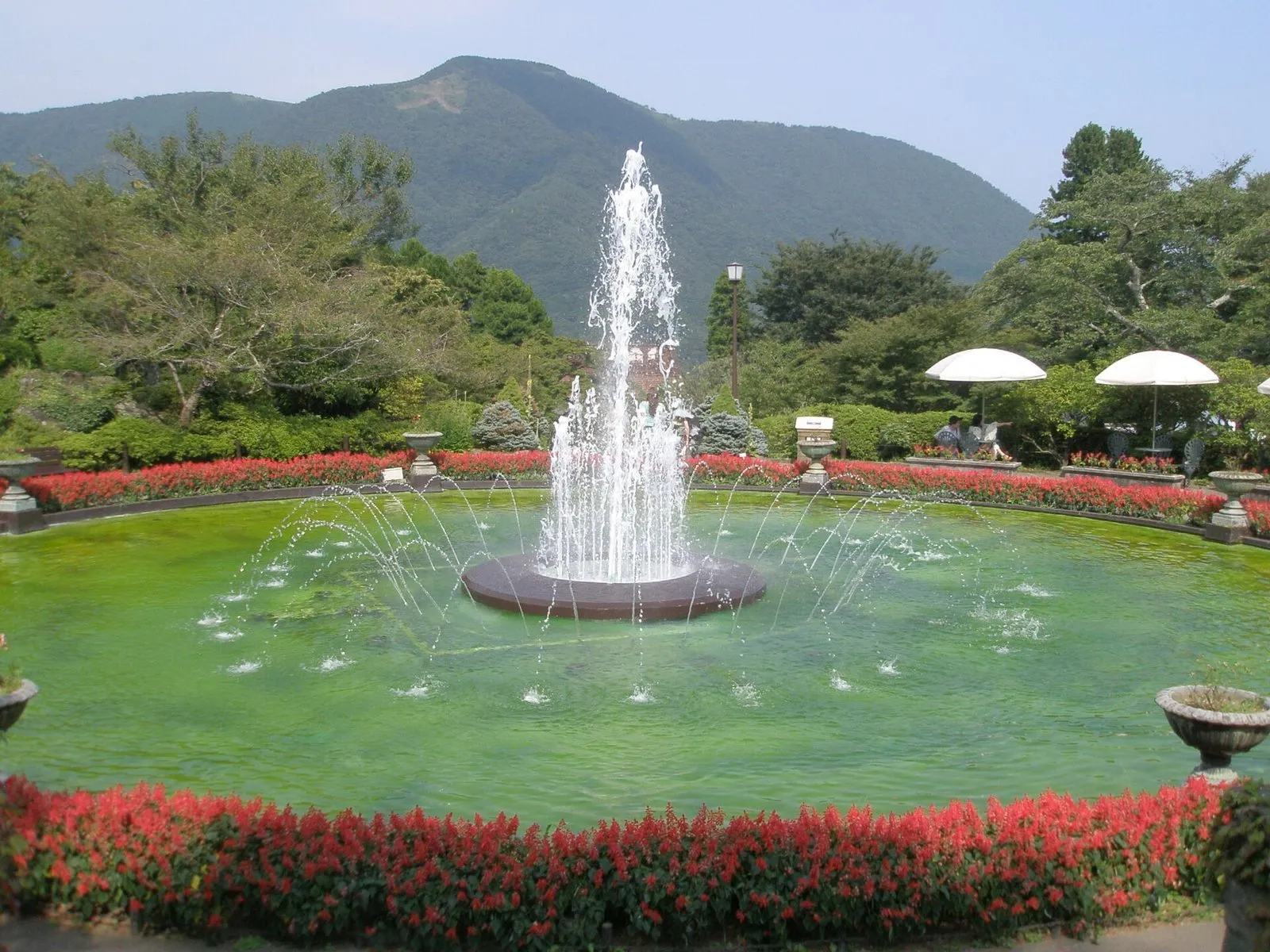
- 5Hakone Gora ParkGora and the mountain train・5 min walk from Gora StationJapan's first French-style formal garden, built on a hillside, with flowers and a fountain pond.
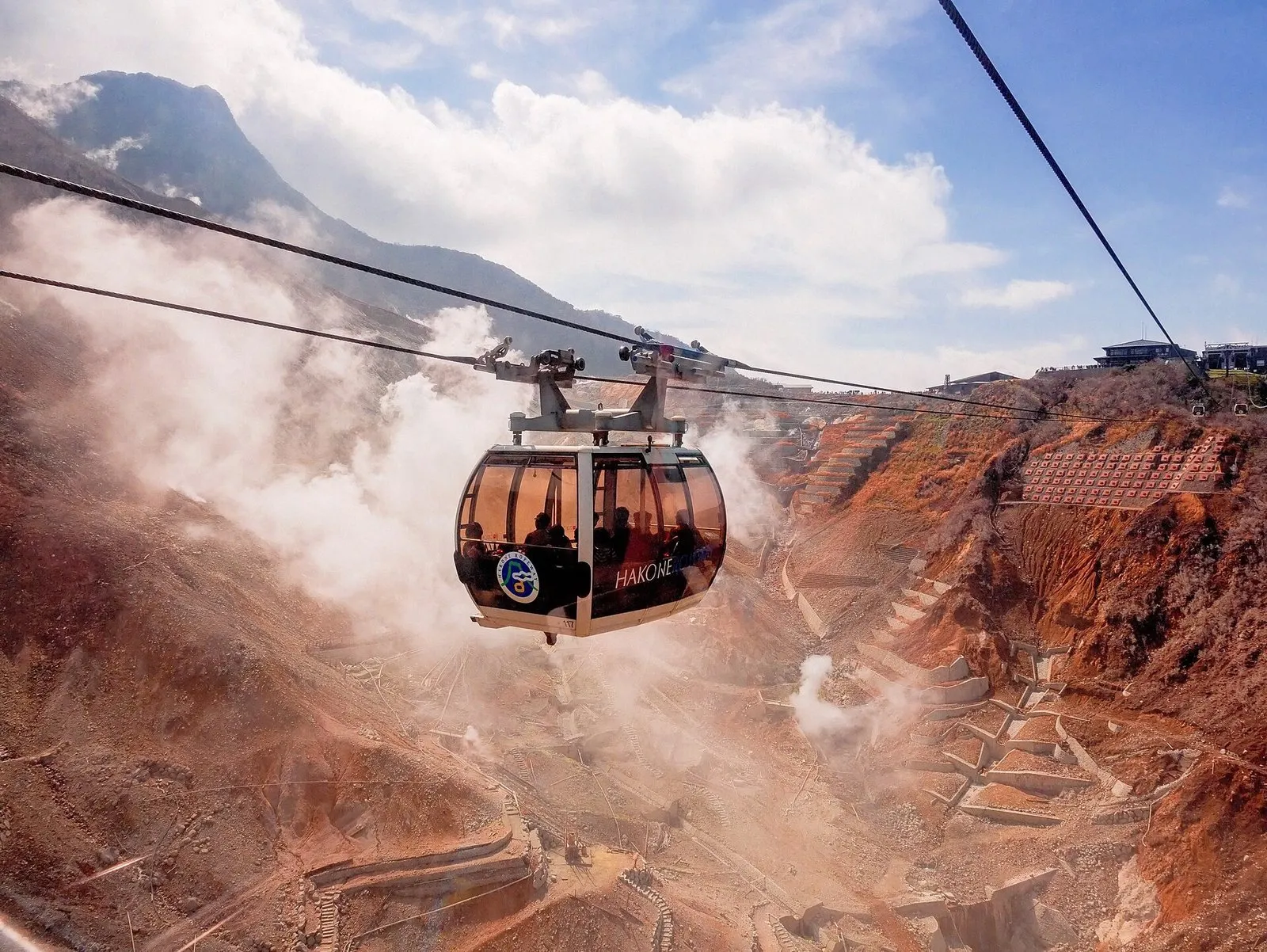
- 6Hakone RopewayOwakudani and Sengokuhara・Take the cable car from Gora to Sounzan StationA ropeway linking four stations: Sounzan, Owakudani, Ubako and Togendai. You see the steaming valley and, on clear days, Mt. Fuji and Lake Ashi.
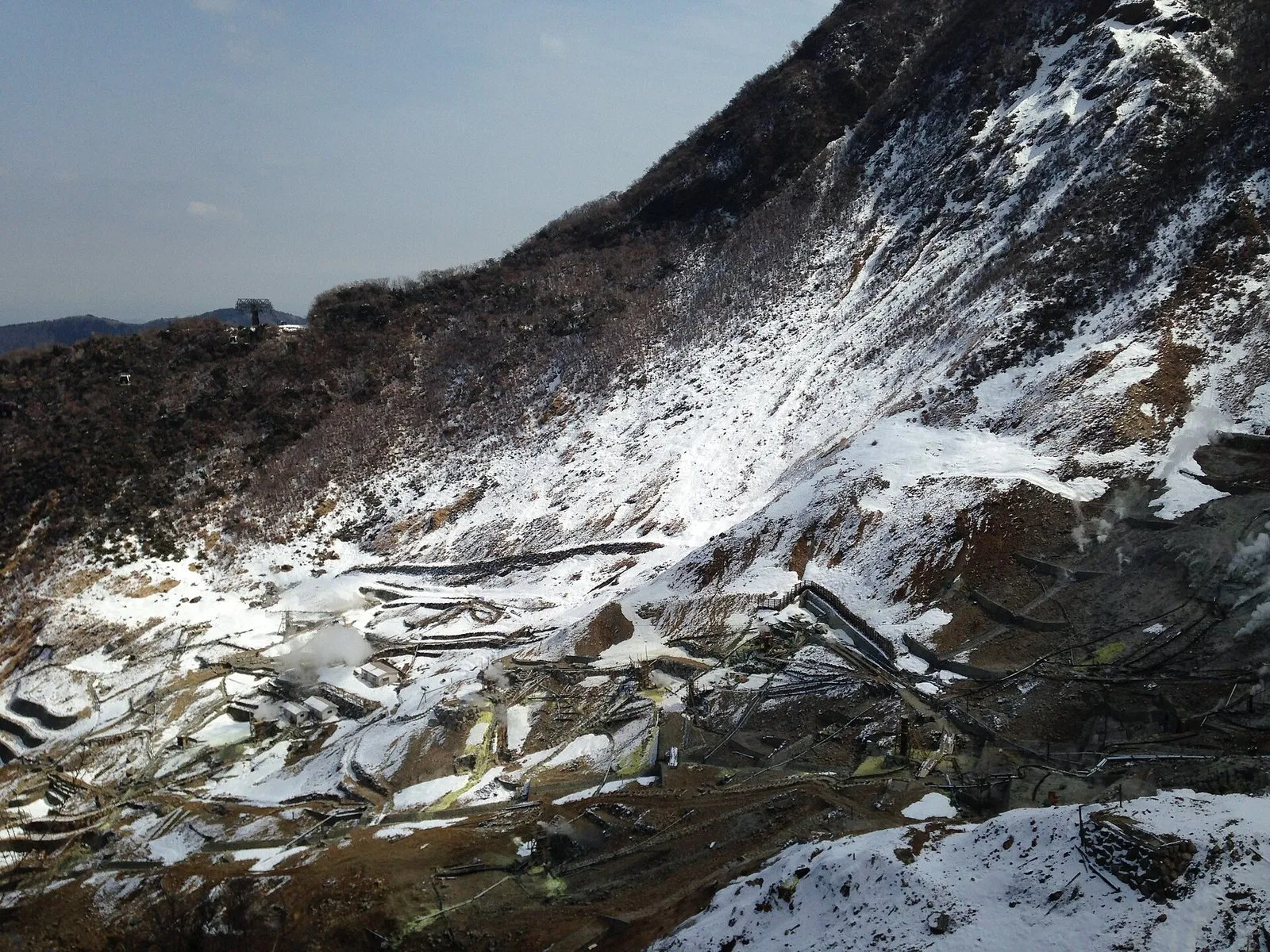
- 7OwakudaniOwakudani and Sengokuhara・About 10 minutes by ropeway from SounzanA smoking volcanic valley, famous for black eggs boiled in its hot springs.
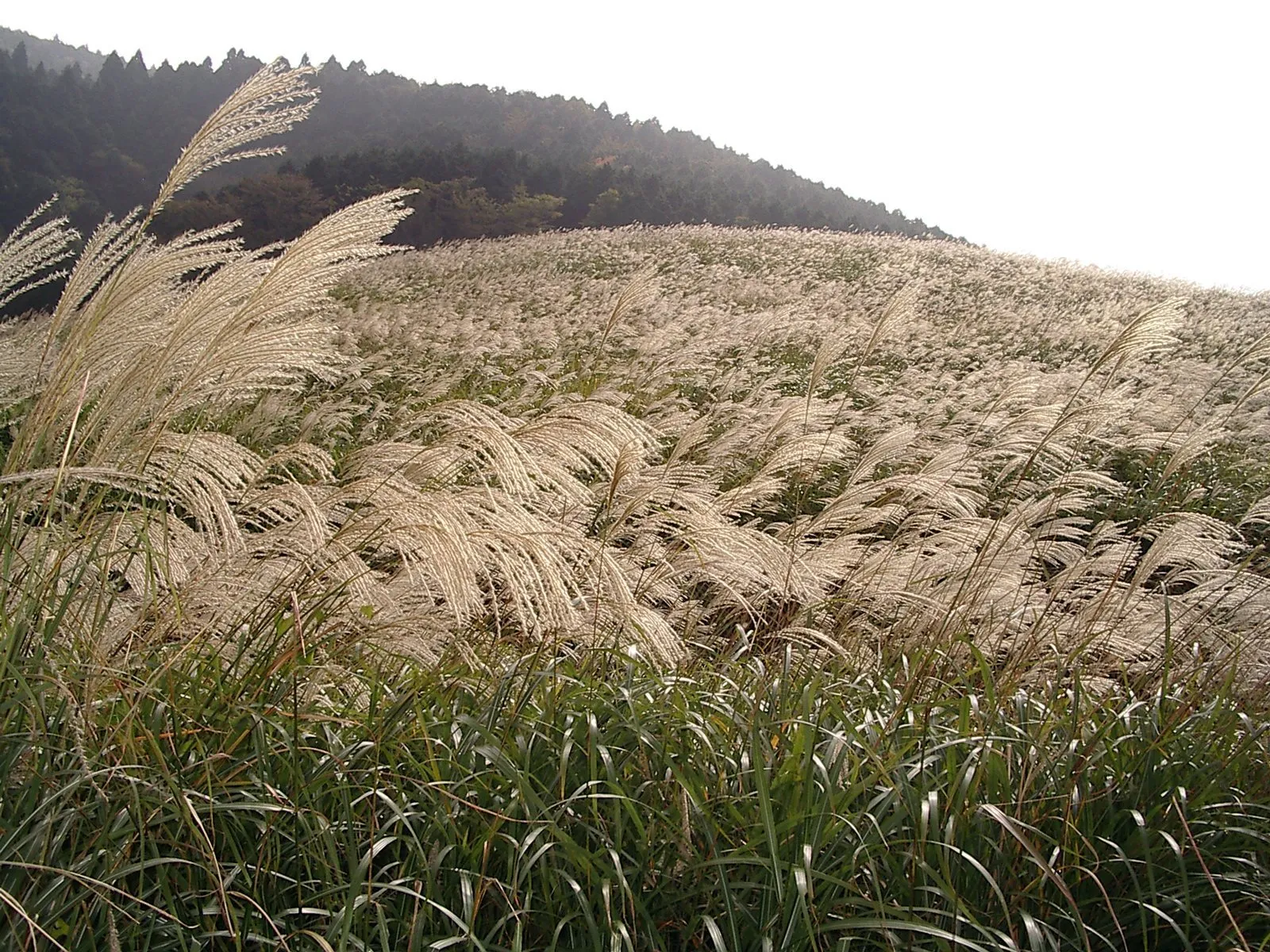
- 8Sengokuhara Susuki GrasslandOwakudani and Sengokuhara・About 30 min by bus from Hakone-Yumoto, then right at the stopA grassland of Japanese silver grass (susuki) on the slope of Mt. Daigatake, turning gold in autumn.
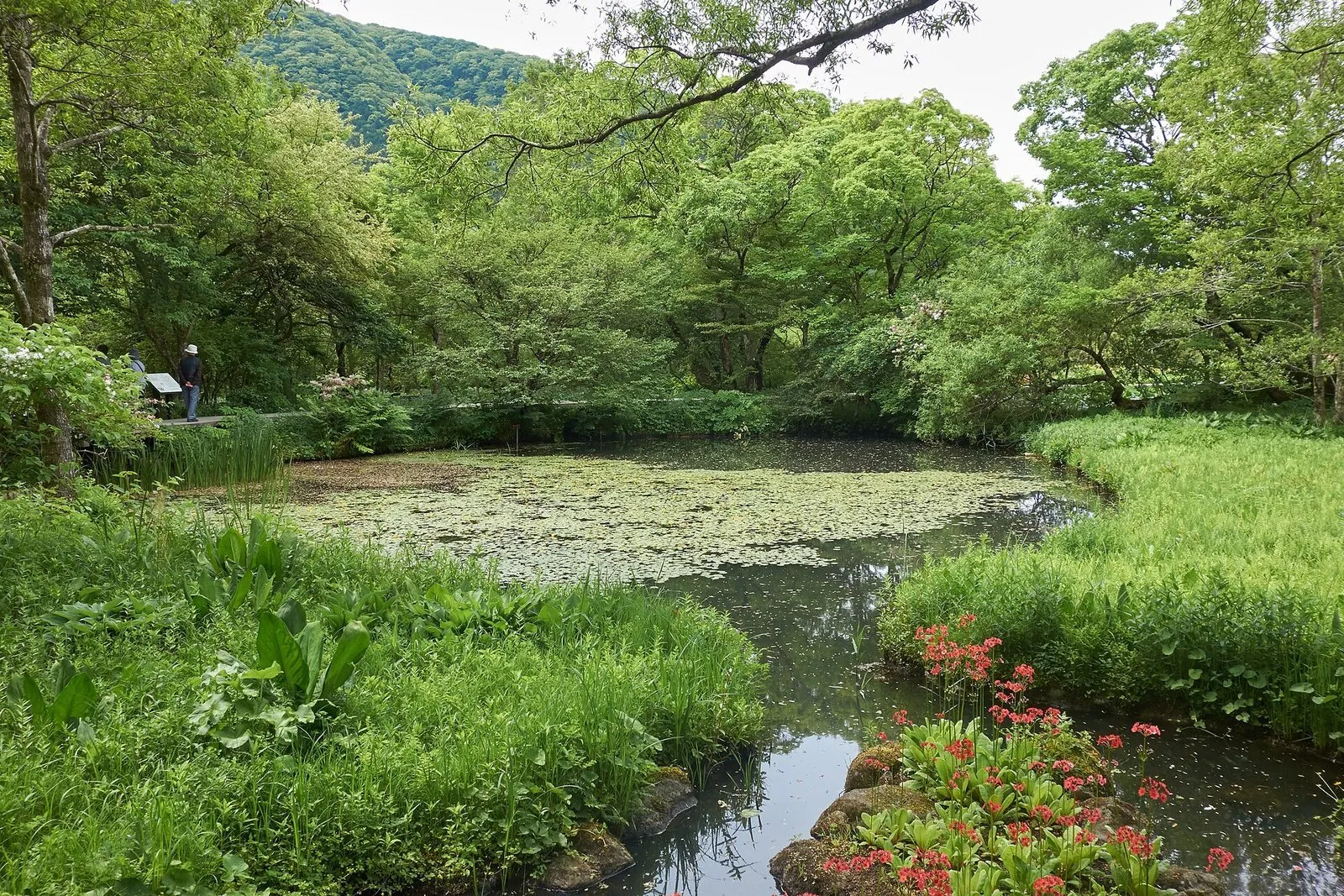
- 9Hakone Botanical Garden of WetlandsOwakudani and Sengokuhara・8 min walk from Sengoku Annaijo-mae bus stopA botanical garden about Sengokuhara, the only wetland in Kanagawa, with around 1,700 plant species.
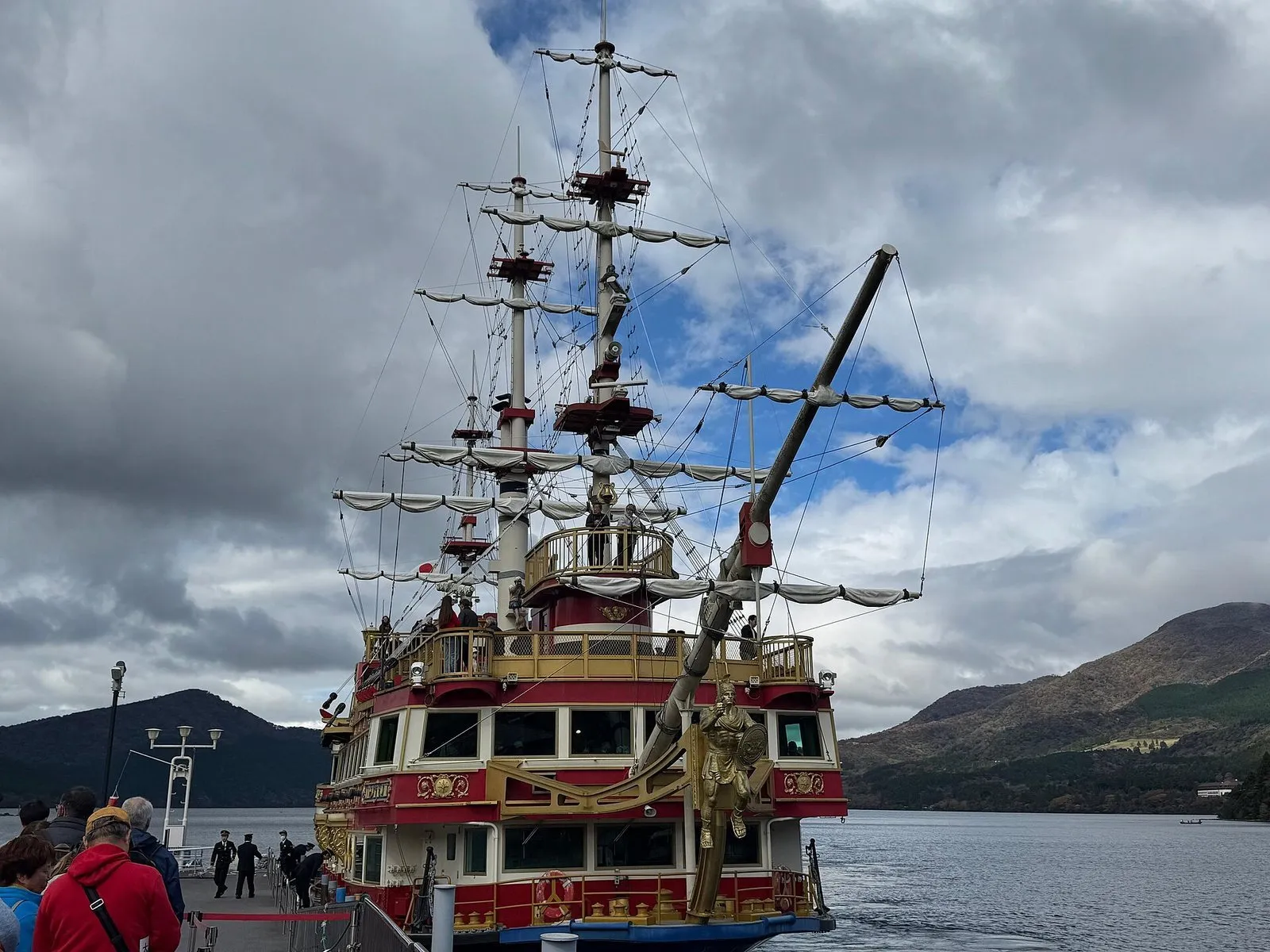
- 10Hakone Pirate ShipsAround Lake Ashi・Togendai Port, linked to the ropeway stationPirate-style sightseeing ships on Lake Ashi between Togendai, Hakone-machi and Moto-Hakone ports, taking about 25 to 40 minutes.
- 11Lake AshiAround Lake Ashi・Reach it by ship at Togendai, Hakone-machi or Moto-HakoneA lake inside Hakone's volcanic caldera, with views of Mt. Fuji. Hakone Shrine and the old checkpoint stand on its shore.
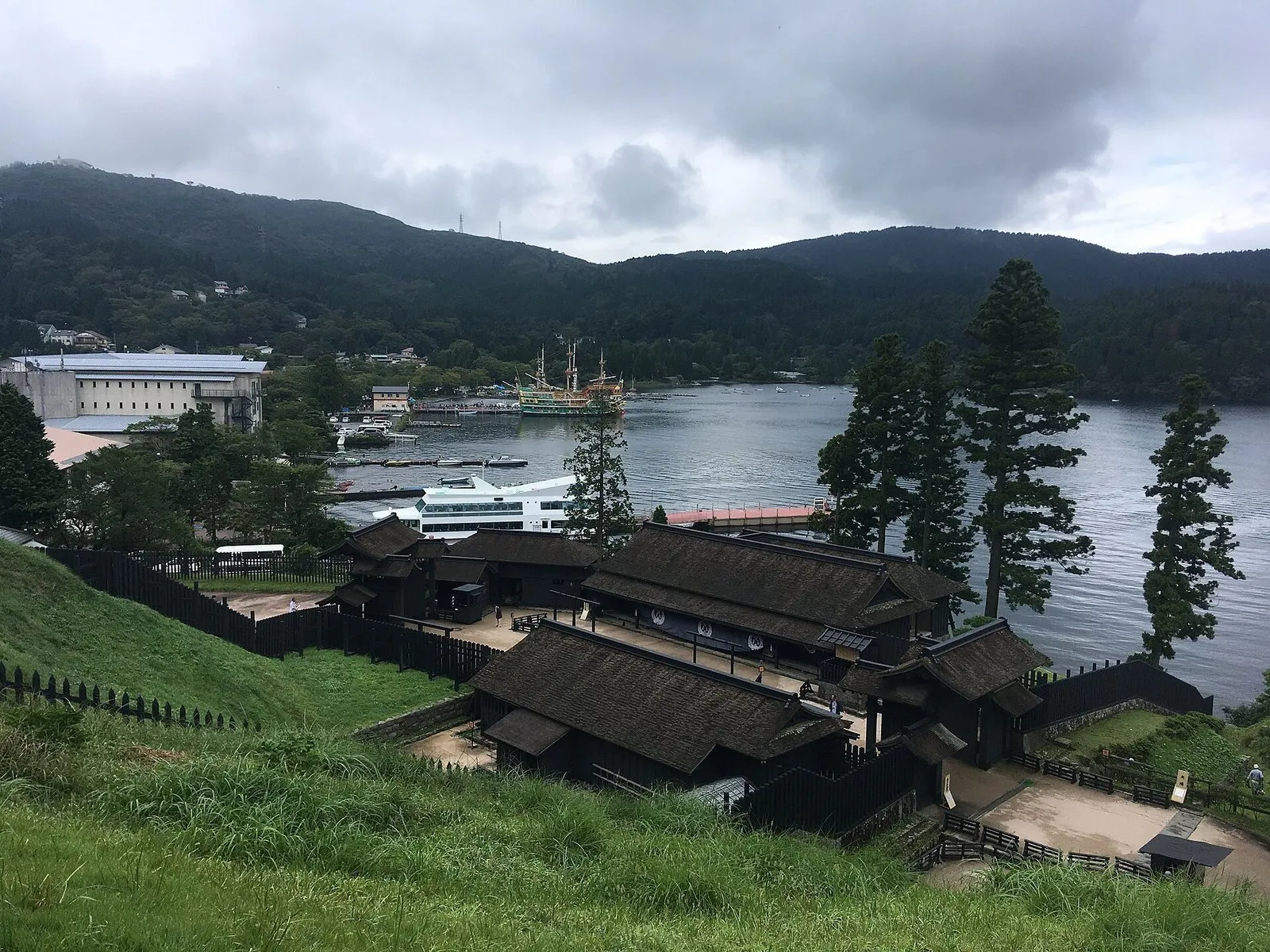
- 12Hakone CheckpointAround Lake Ashi・2 min walk from Hakone Sekisho-ato bus stopA restored Edo-period checkpoint where travelers were inspected, standing beside Lake Ashi.
- 13Old Tokaido Cedar AvenueAround Lake Ashi・Right by the Hakone Shisho-mae bus stopA row of cedars along the old Tokaido road by Lake Ashi, about 500 m from Moto-Hakone to Onshi Hakone Park.
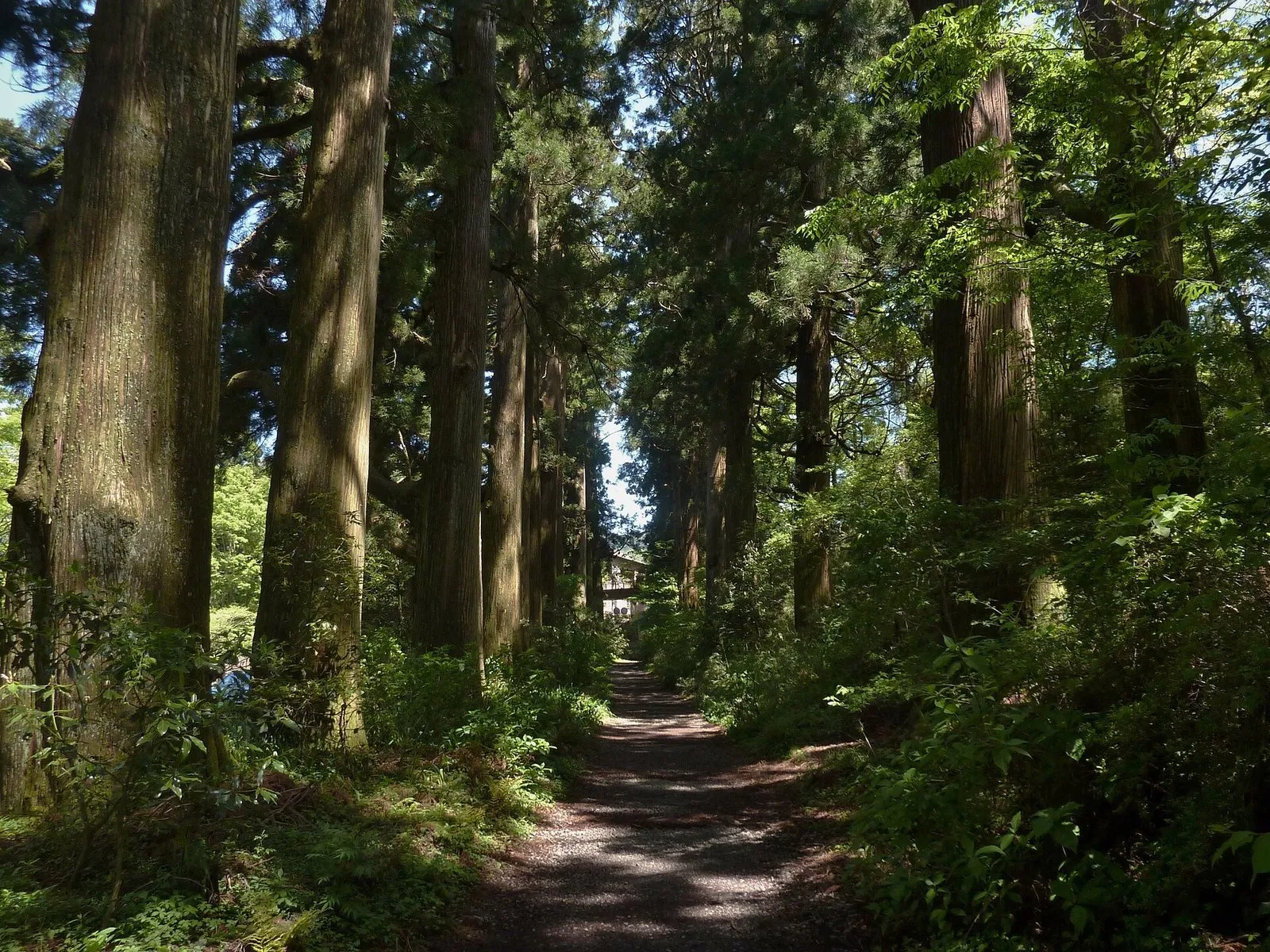
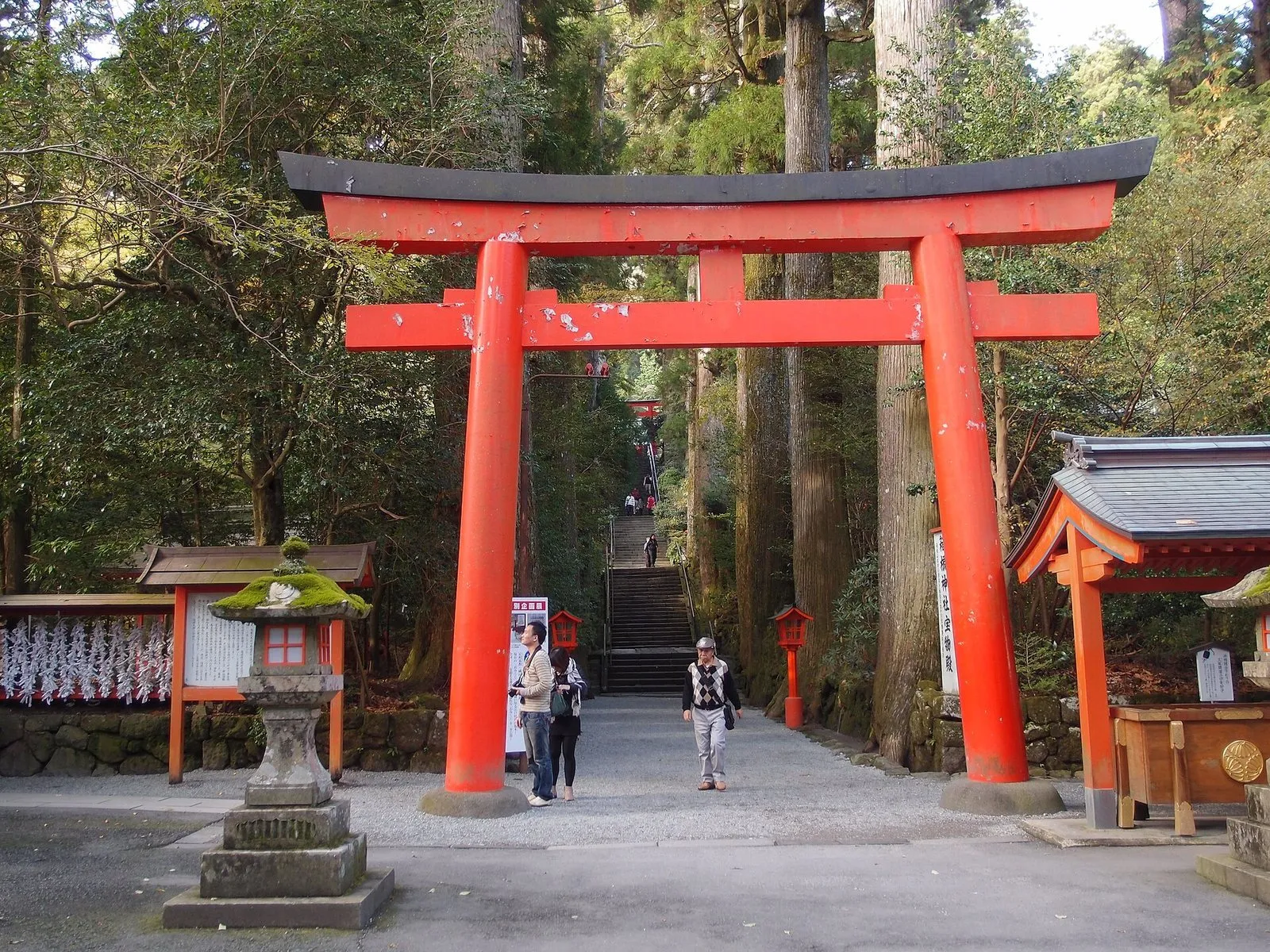
- 14Hakone ShrineAround Lake Ashi・10 min walk from Moto-Hakone PortAn old shrine on Lake Ashi, known for the 'Heiwa (Peace) Torii' standing in the water.
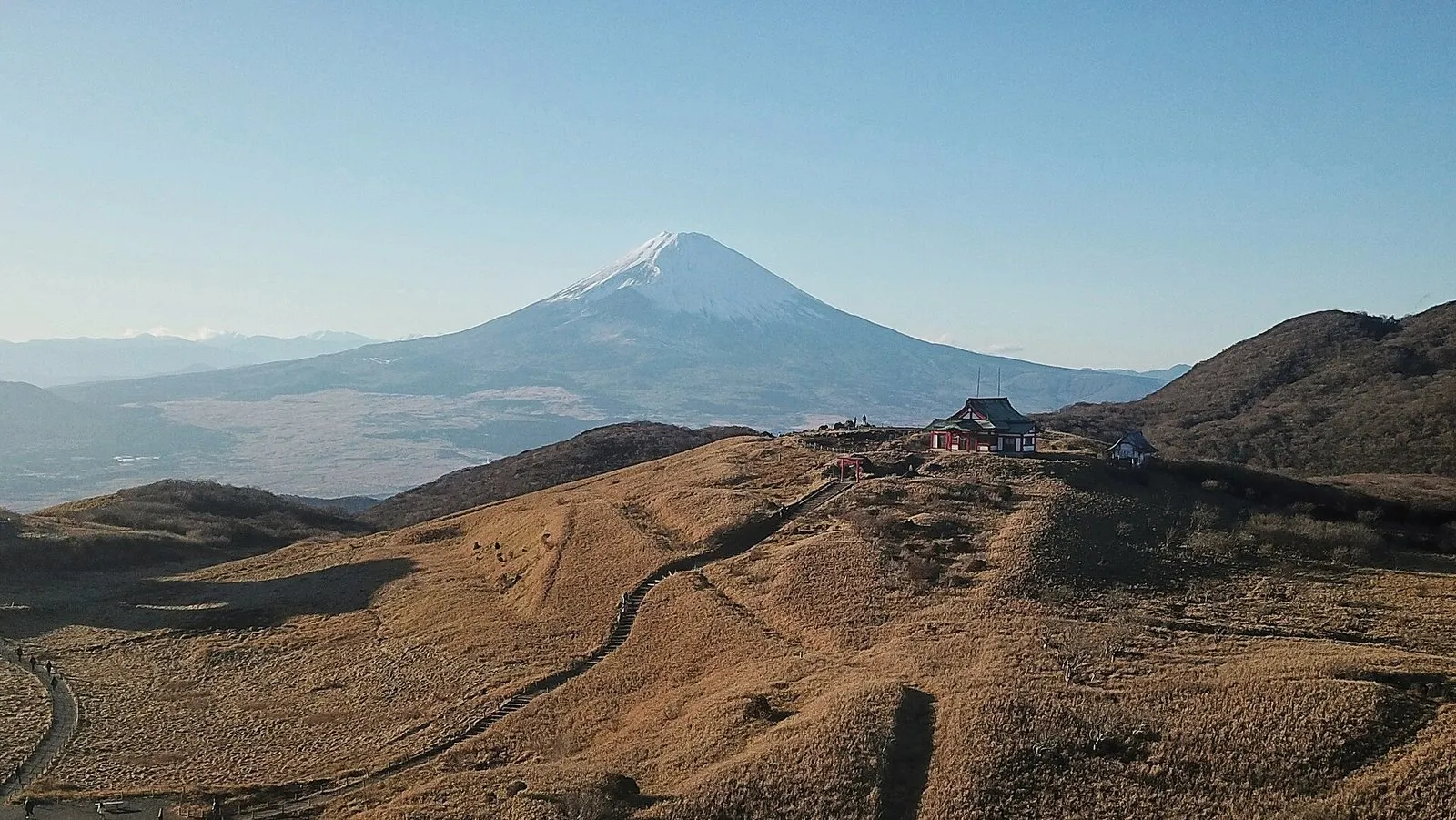
- 15Hakone Komagatake RopewayHakone-en and Mt. Komagatake・About 1 hr 5 min by bus from Hakone-YumotoA ropeway from Hakone-en to the summit of Mt. Komagatake, about 7 minutes one way.
- 16Hakone Motomiya ShrineHakone-en and Mt. Komagatake・8 min walk from Komagatake Summit StationThe inner shrine of Hakone Shrine, on the summit of Mt. Komagatake, with Mt. Fuji beside it.
Official sightseeing maps (PDF)
Printable maps from the local town or tourism association. Most are in Japanese.
- 箱根観光地図【日本語】(箱根町観光協会)
- 芦ノ湖マップ【日本語】(箱根町観光協会)
- ハイキングマップ【日本語】(箱根町観光協会)
Hakone is the hot-spring escape most Tokyo visitors try first, and for good reason: one train from Shinjuku drops you in a mountain valley of onsen inns, with a steaming volcanic crater and a lake that frames Mount Fuji on a clear day. The catch is that Hakone is spread out, and its sights are linked by a chain of little trains, a cable car, a ropeway and a boat. This guide shows how to get there, whether the Hakone Freepass is worth it, how the classic loop works, and whether to stay the night.
Prices and times below were checked on official pages in October 2026. Fares change, so confirm the current figure before you buy.
Why visit Hakone
Hakone packs a lot into a small area. In one day you can ride a switchback mountain railway, glide over a smoking volcanic valley, cross a lake on a sightseeing boat, and soak in a hot spring before dinner. It sits inside the Fuji-Hakone-Izu National Park, and its art museums are some of the best outside Tokyo.
It also suits every kind of trip. A long day trip covers the loop. One night in a ryokan (a traditional inn), with dinner and a private or shared bath, is the experience many people remember most from Japan.
How to get to Hakone from Tokyo
Odakyu Romancecar from Shinjuku (easiest)
The Odakyu Romancecar runs direct from Shinjuku to Hakone-Yumoto, the gateway station, in about 80–90 minutes (the fastest scheduled run is 84 minutes). All seats are reserved. The limited express surcharge is ¥1,200 for adults one way, on top of the regular Odakyu fare, for a total of about ¥2,470. Book on Odakyu’s EMot site or app and the surcharge is ¥50 cheaper.
Regular Odakyu trains also reach Hakone with a change at Odawara. They’re cheaper, but slower.
By shinkansen to Odawara
If you hold a Japan Rail Pass, the JR shinkansen to Odawara is the other common route. From Odawara, the Hakone Tozan line and local buses climb into Hakone. Romancecar seats from Odawara to Hakone-Yumoto are sold only at the platform, and only if seats remain.
The Hakone Freepass: is it worth it?
The Hakone Freepass from Odakyu bundles almost everything you’ll ride in Hakone. Official prices (adult):
| Pass | 2 days | 3 days |
|---|---|---|
| From Shinjuku (includes the Odakyu round trip) | ¥7,100 | ¥7,500 |
| From Odawara (no Odakyu ticket) | ¥6,000 | ¥6,400 |
It covers the Hakone Tozan train and cable car, the Hakone Ropeway, the Lake Ashi sightseeing cruise and designated buses, plus discounts at about 70 facilities. The day you buy it counts as day 1, and a 2-day pass ends with the last service on day 2, not after 48 hours. There’s no 1-day version.
The Romancecar surcharge is not included. Odakyu’s own example: Shinjuku round trip, a 2-day pass and a round-trip Romancecar comes to ¥9,500 for an adult.
Buy it on EMot (digital, or printed) or at Odakyu sightseeing service centers and ticket machines.
Verdict: if you’ll ride the full loop, the pass almost always pays for itself and saves you buying a ticket at every step. If you only want a ryokan and a soak in Hakone-Yumoto, skip it.
Getting around: the classic Hakone loop
Most visitors follow the same circuit, which the Freepass covers end to end:
- Hakone-Yumoto → Gora on the Hakone Tozan train, which zigzags up the mountain with switchbacks.
- Gora → Sounzan by cable car.
- Sounzan → Owakudani → Togendai by the Hakone Ropeway. Each section takes about 15 minutes and gondolas leave about every minute; you change at Owakudani.
- Togendai → Hakone-machi or Moto-Hakone by sightseeing cruise across Lake Ashi, about 25–35 minutes.
- Bus back to Hakone-Yumoto.
The ropeway runs 9:00–17:00 from February to November and 9:00–16:15 in December and January. It stops in strong wind and bad weather, and the boats can be suspended or rerouted in heavy fog or wind. Start the loop by mid-morning so you aren’t racing the last ropeway.
Send your bags ahead
A luggage counter at Hakone-Yumoto Station forwards bags to affiliated hotels in Hakone. Drop off by 12:00 for same-day delivery; it costs ¥1,500 per regular item (up to 15 kg) and ¥2,500 per large item (up to 30 kg). It means you can do the loop without dragging a suitcase onto the ropeway.
Top things to see in Hakone
Owakudani
Volcanic valley- Area
- 📍 Owakudani Station (Hakone Ropeway)
A crater valley of sulfur vents and steam on an active volcano. Its famous black eggs are boiled in the volcanic water; legend says each one adds seven years to your life. It’s an active volcano, so access can be restricted when gas levels rise.
Lake Ashi & Hakone Shrine
Lake & shrine- Area
- 📍 Moto-Hakone (bus or cruise)
The red “Peace Torii” standing in the water is Hakone’s signature photo. The shrine grounds sit in cedar forest about a 10-minute walk from the Moto-Hakone stop. Expect a queue for the torii photo on busy days.
Hakone Open-Air Museum
Art museum- Price
- 💴 ¥2,000 (¥1,800 online)
- Area
- 📍 Near Chokoku-no-Mori Station (Tozan train)
Sculptures set across lawns with mountain views, plus a Picasso pavilion. Open 9:00–17:00 every day of the year (last entry 30 minutes before closing).
Pola Museum of Art
Art museum- Price
- 💴 ¥2,200 (¥2,000 online)
- Area
- 📍 Sengokuhara (bus)
Impressionist and Japanese modern art in a glass building in the forest. Open 9:00–17:00 (last entry 16:30). Closed December 1, 2026 and April 8–26, 2027 for exhibition changes.
Hakone Checkpoint (Sekisho)
History- Price
- 💴 ¥500
- Area
- 📍 Hakone-machi (lakeside)
A rebuilt Edo-period checkpoint on the old Tokaido highway, where travelers were once inspected. Open daily 9:00–17:00 (16:30 from December to February).
Gora Park
Garden- Price
- 💴 ¥650 (free with Freepass)
- Area
- 📍 Koen-kami Station (cable car) / Gora
A French-style garden on a slope, with a fountain, greenhouses and craft workshops. Open 9:00–17:00 (last entry 16:30). Free entry with the Hakone Freepass.
A one-day Hakone plan
- Morning: Romancecar from Shinjuku to Hakone-Yumoto. Leave bags with the luggage service if you’re staying over.
- Late morning: Tozan train up to Gora; stop at the Open-Air Museum on the way if art is your thing.
- Midday: cable car and ropeway to Owakudani for black eggs and the crater view, then on to Togendai.
- Afternoon: cruise across Lake Ashi, walk to Hakone Shrine, and see the Sekisho if time allows.
- Evening: bus back to Hakone-Yumoto, a hot-spring soak, and the Romancecar home.
This is a full day. If you’d rather slow down, split it over two days and stay overnight.
Where to stay in Hakone
- Hakone-Yumoto — at the station, with the most choice and the easiest access from Tokyo. Good for one night with an early start home. What a night there is like: Hakone-Yumoto Overnight: A Local Izakaya Night and Owakudani.
- Gora — midway up the loop, close to the museums and the cable car.
- Sengokuhara — quieter, greener, near the Pola Museum and the pampas grass.
- Lake Ashi (Moto-Hakone / Hakone-machi / Togendai) — lake views and the shrine on your doorstep, but the furthest from Tokyo.
When to visit Hakone
- Autumn is the favorite. Leaves turn around Lake Ashi from late October to mid-November, and at higher spots like Owakudani and Sengokuhara from early to mid-November. The Sengokuhara pampas grass peaks from late September through October.
- Early summer brings hydrangeas along the Tozan railway, usually from mid-June into July.
- Winter has clear air and the best chance of seeing Mt. Fuji, but shorter ropeway hours and, this season, the maintenance closures above.
Mt. Fuji is often hidden by cloud, whatever the season, so treat a view as a bonus.
Hakone FAQ
Can you do Hakone as a day trip from Tokyo?
Yes. The Romancecar reaches Hakone-Yumoto in about 80–90 minutes, and the classic loop fits in one full day if you start by mid-morning. Stay one night if you want a ryokan dinner and a relaxed soak.
Is the Hakone Freepass worth it?
If you ride the full loop (train, cable car, ropeway, boat and bus), almost always. It also gives free entry to Gora Park and discounts at around 70 places. If you only visit Hakone-Yumoto, buy single tickets instead.
Does the Hakone Freepass include the Romancecar?
No. The Romancecar surcharge (¥1,200 one way from Shinjuku for adults) is paid separately.
Will I see Mt. Fuji from Hakone?
Only on clear days. Winter mornings tend to be clearest; summer is often hazy or cloudy.
What happens if the ropeway is closed?
Replacement buses run between the stations. During planned maintenance closures, Freepass holders can ride them at no extra cost.