Kusatsu Onsen Guide: Yubatake, Baths & Buses from Tokyo
Updated October 21, 2026 · Prices checked October 21, 2026
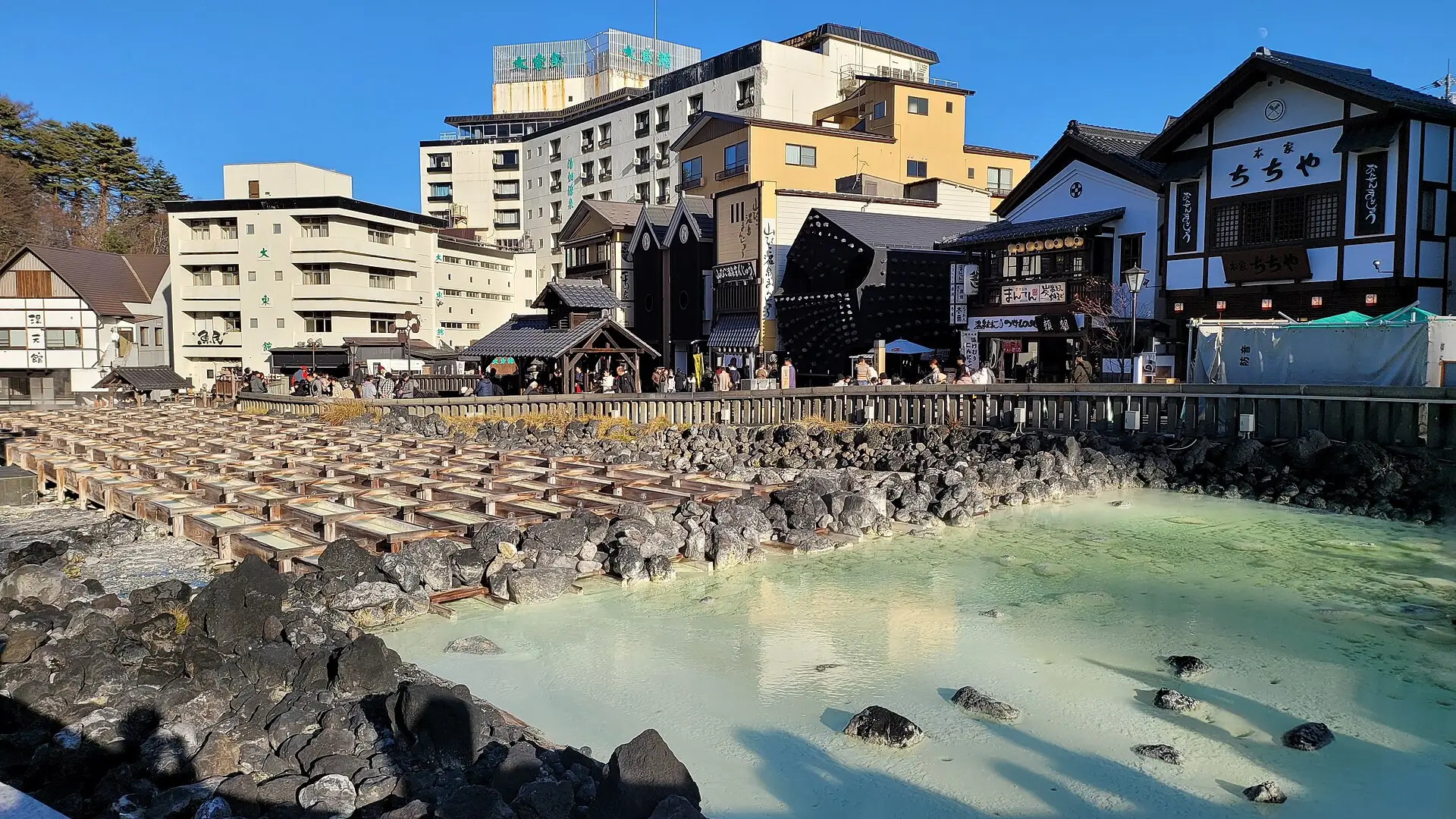
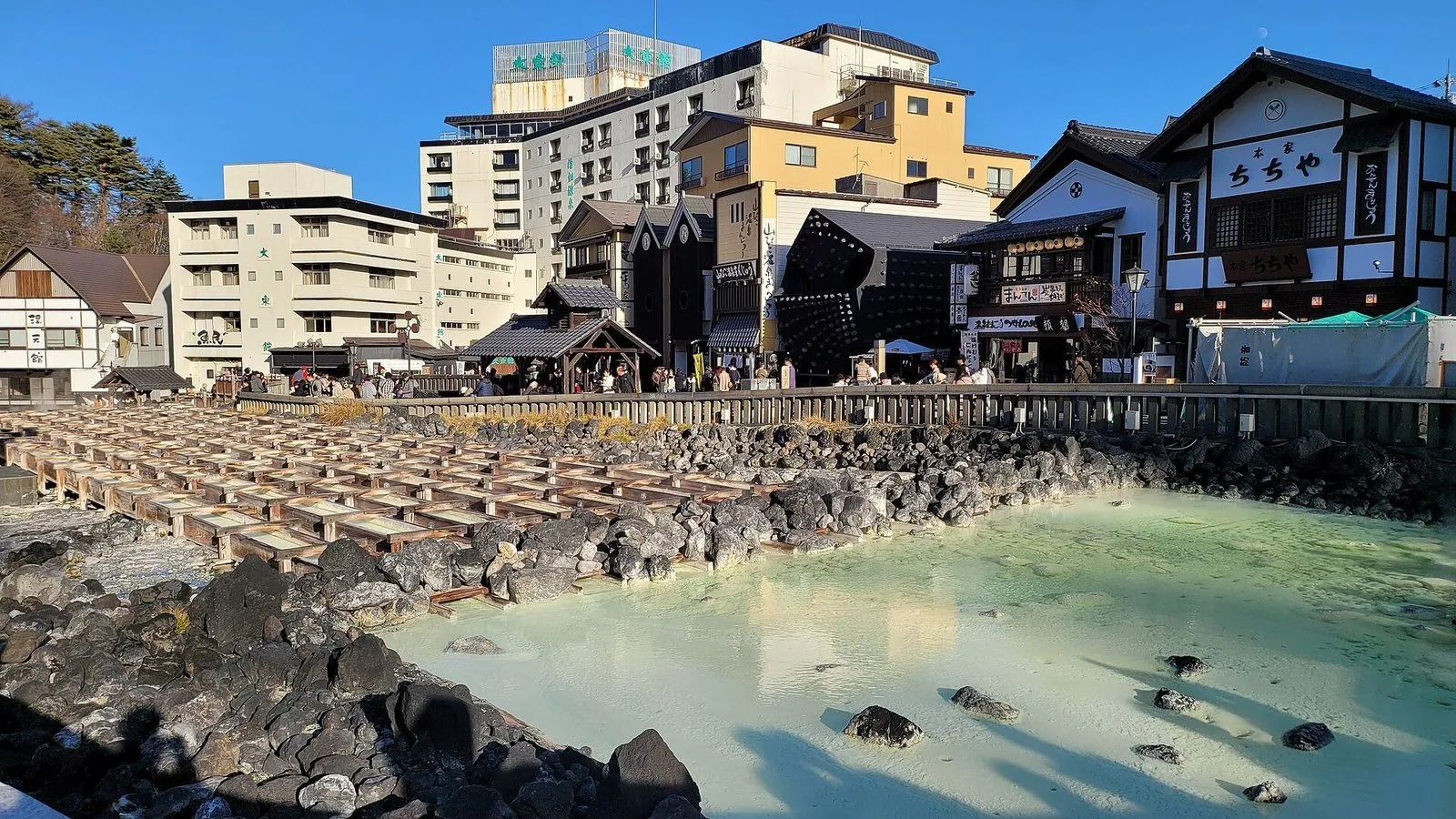
The Yubatake hot-water field in the middle of Kusatsu Onsen Photo: Aspere・CC0
Tours and tickets
Guided walks, day trips and attraction tickets, with reviews from other travelers.
Kusatsu Onsen sights on a map
11 sights · checked on official sites (2026-10-24)
Around Yubatake
Sainokawara and Otakinoyu
- 1YubatakeAround Yubatake・5 min walk from Kusatsu Onsen Bus TerminalThe symbol of Kusatsu Onsen, where about 4,000 litres of hot spring water gush out every minute. The whole town spreads out around it.
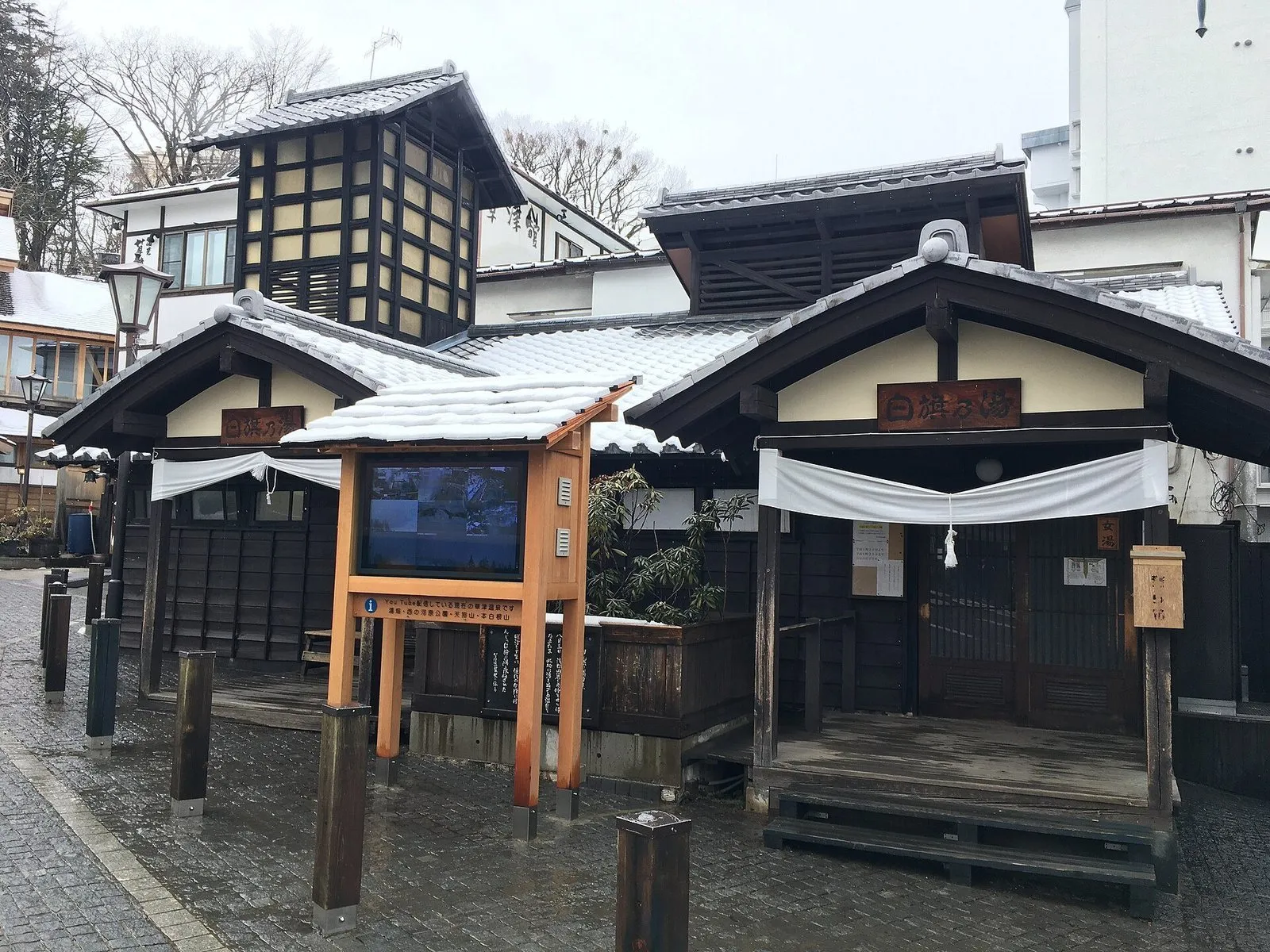
- 2Shirahata-no-yu (public bath)Around Yubatake・Right beside YubatakeThe largest of Kusatsu’s public baths, and free to use. It is run and used by local residents, so please follow the bath manners.
- 3GozanoyuAround Yubatake・5 min walk from Kusatsu Onsen Bus TerminalA day-use hot spring built to recall the public baths of the Edo and Meiji eras. The second-floor hall looks out over Yubatake.
- 4Netsunoyu (Yumomi and Dance Show)Around Yubatake・5 min walk from Kusatsu Onsen Bus TerminalA theatre where you can see yumomi, Kusatsu’s traditional hot-water stirring, performed with songs and dance. On some days you can try it yourself.
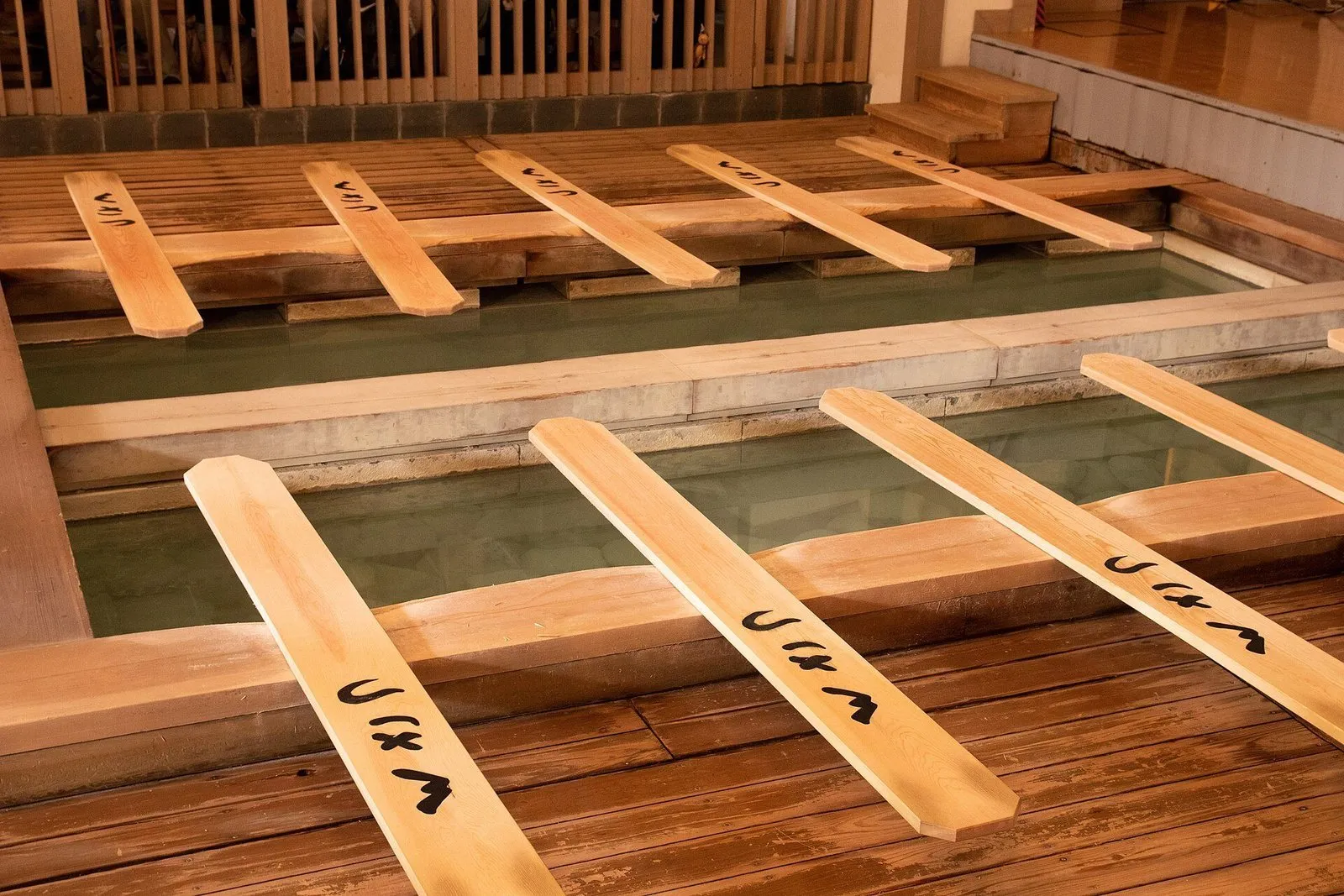
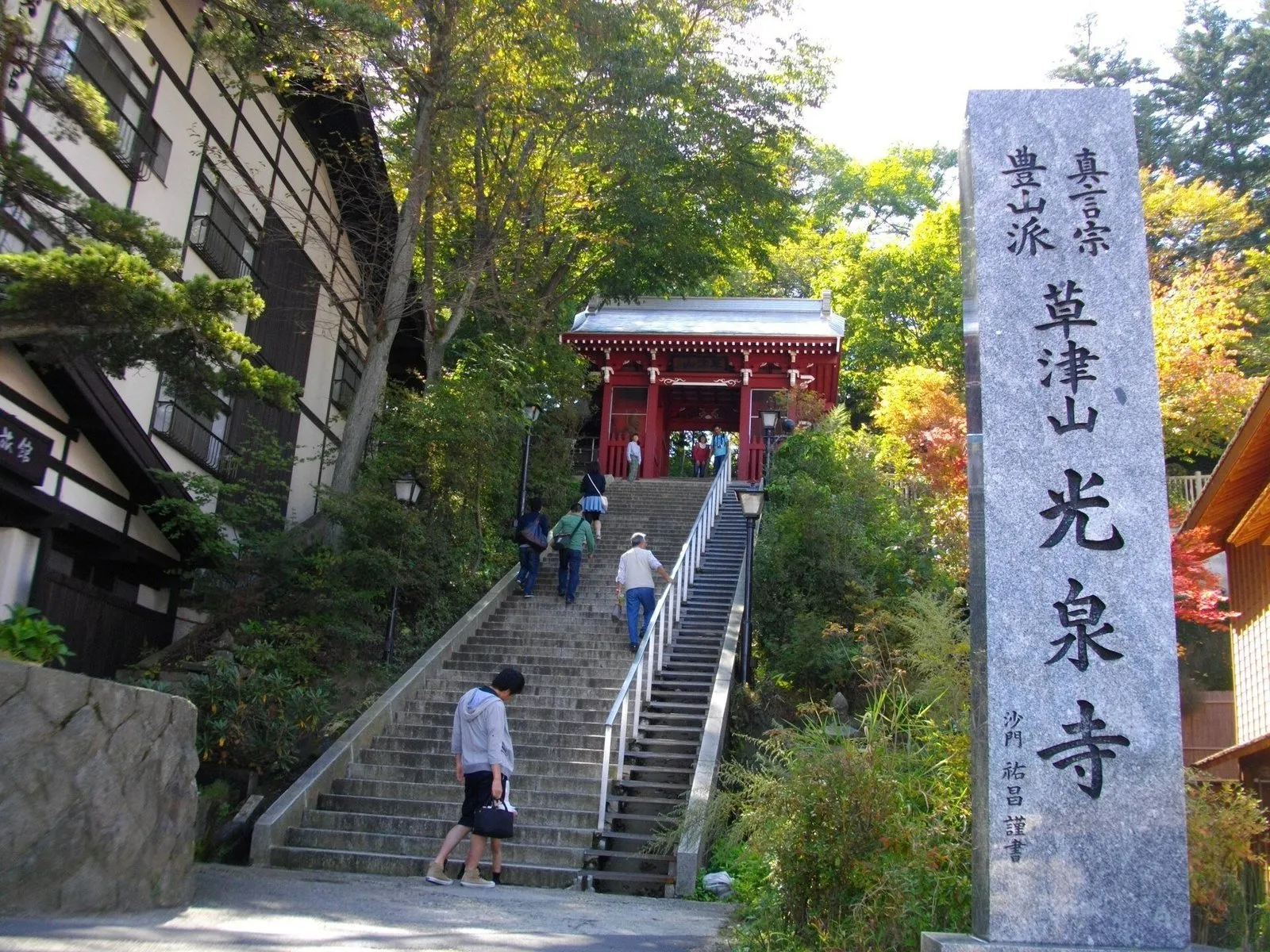
- 5Kosenji TempleAround Yubatake・3 min walk from Kusatsu Onsen Bus TerminalAn old temple on a rise above Yubatake. People come to pray to the healing Buddha Yakushi for good health.
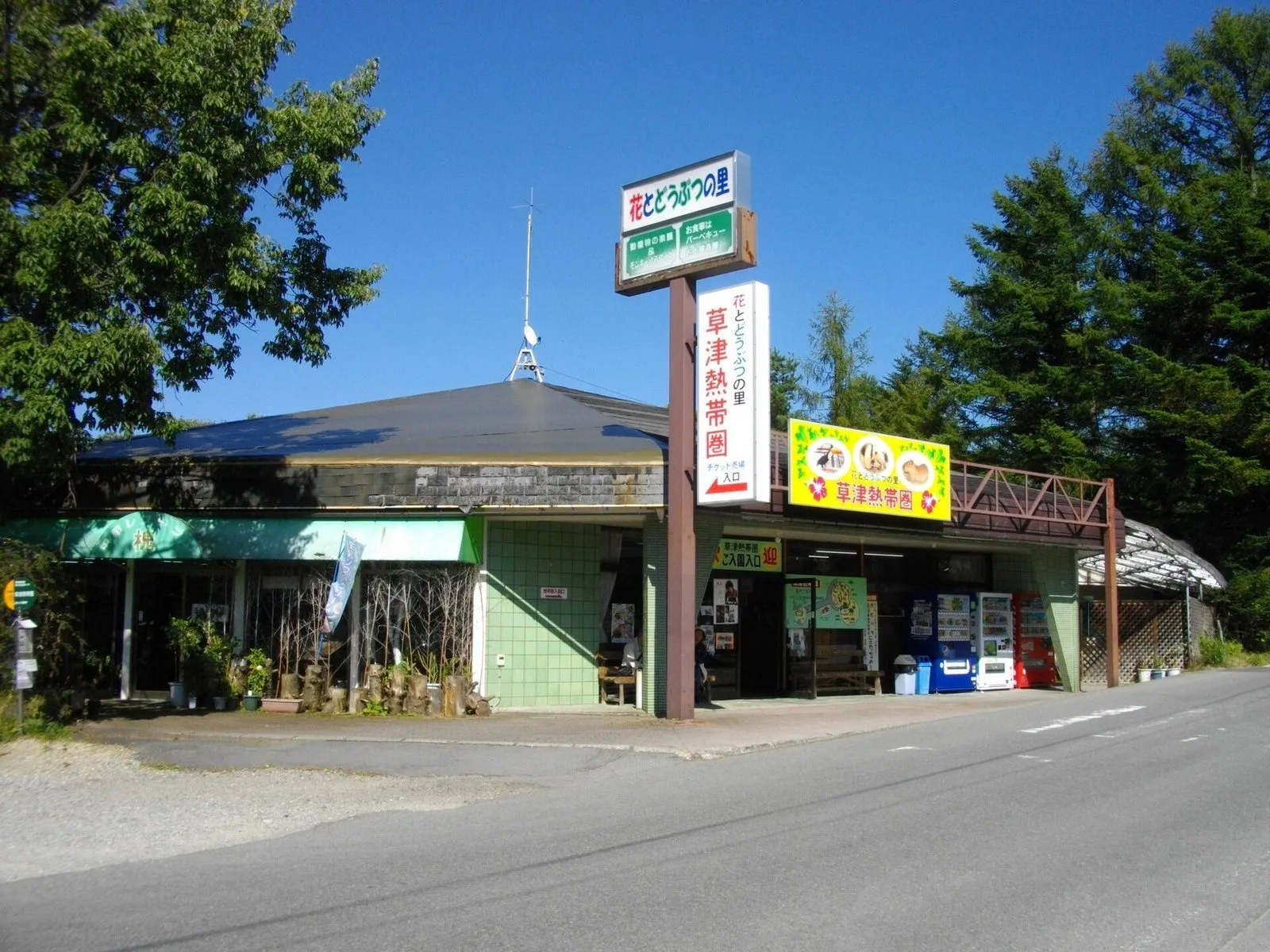
- 6Kusatsu Necchaiken (Tropical Zone)A short walk out・12 min walk from Kusatsu Onsen Bus TerminalA warm dome heated by hot-spring heat, known as Japan’s highest-altitude zoo.
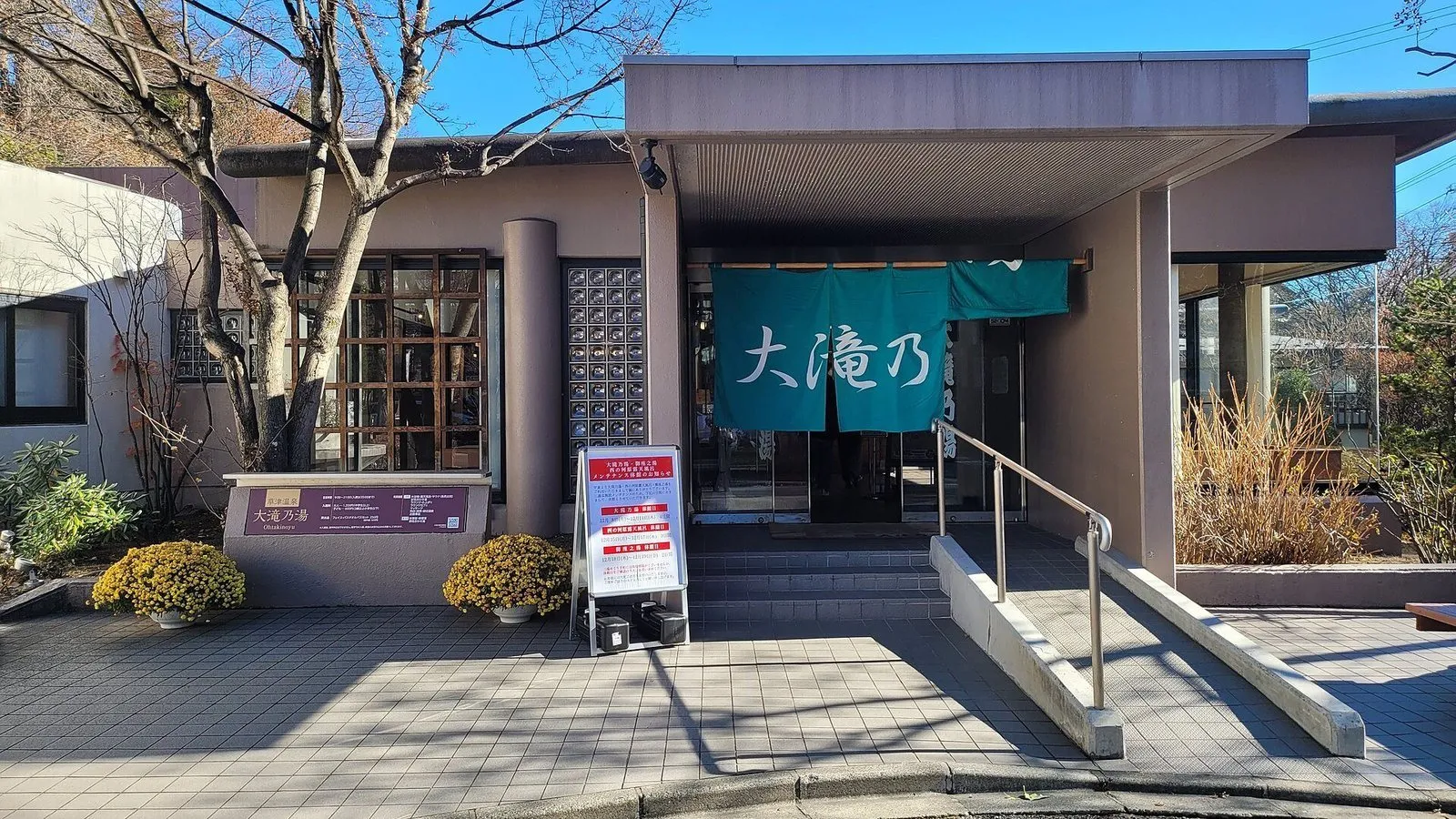
- 7OtakinoyuA short walk out・12 min walk from Kusatsu Onsen Bus TerminalA day-use hot spring with a large indoor bath, an open-air bath with a small waterfall, and a pair of linked baths. It also has a restaurant and rest rooms.
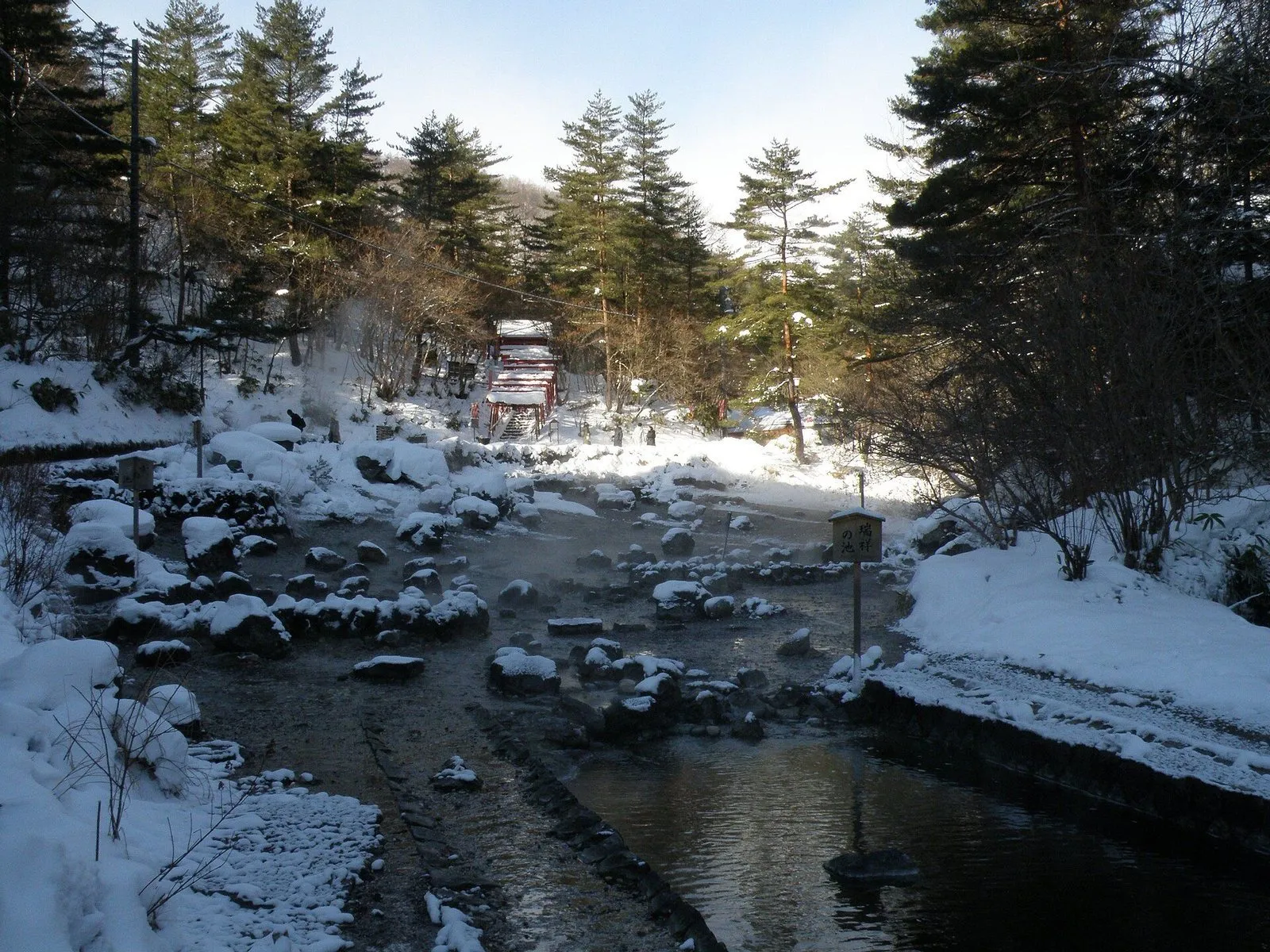
- 8Saino-kawara ParkSaino-kawara area・15 min walk from Kusatsu Onsen Bus TerminalA walking spot where hot springs well up everywhere and run off as a steaming stream. A big open-air bath and a shrine are inside the park.
- 9Saino-kawara RotenburoSaino-kawara area・20 min walk from Kusatsu Onsen Bus TerminalOne of Japan’s largest open-air baths, about 500 square metres for men and women combined. The scenery changes with the seasons.
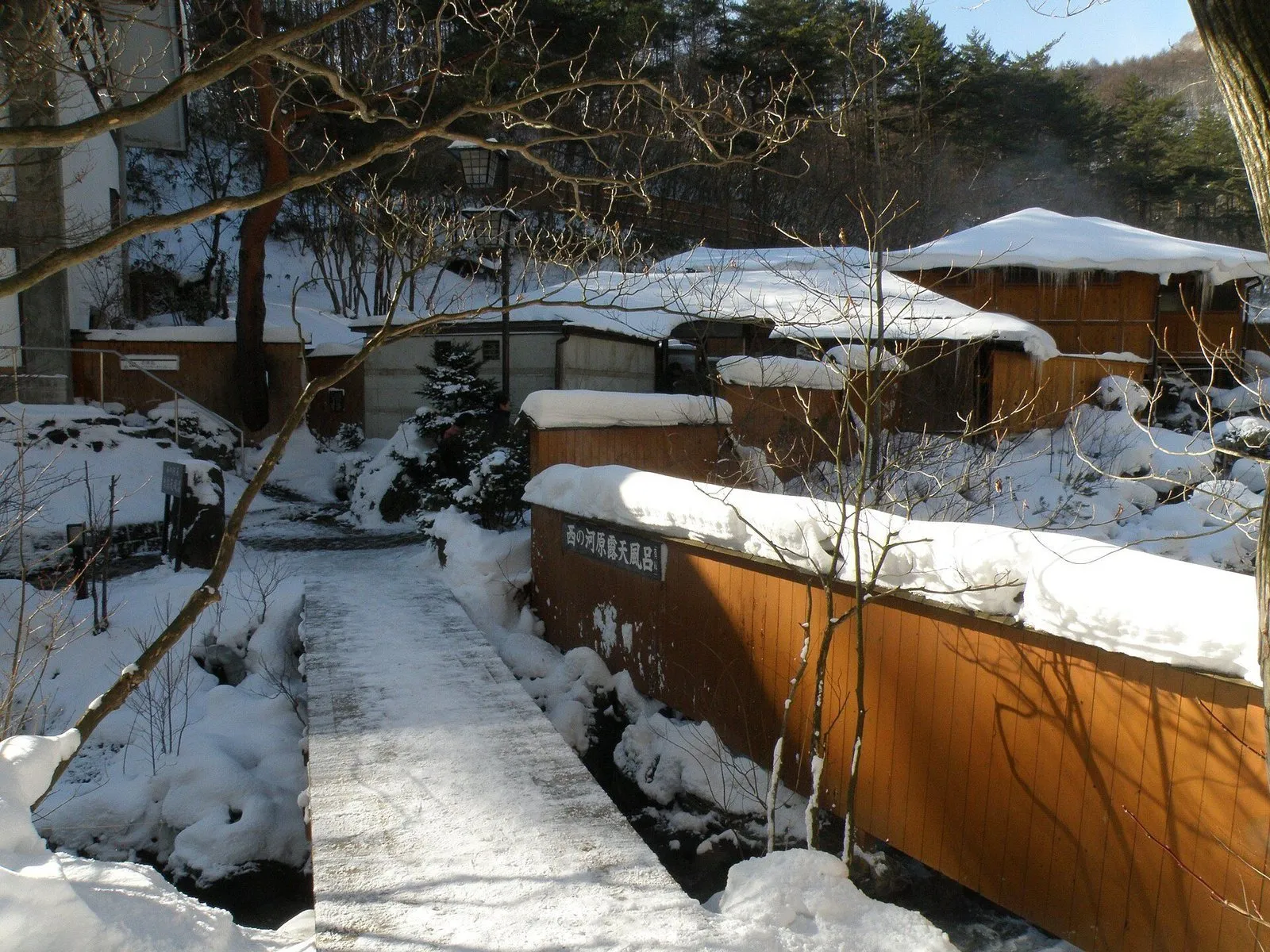
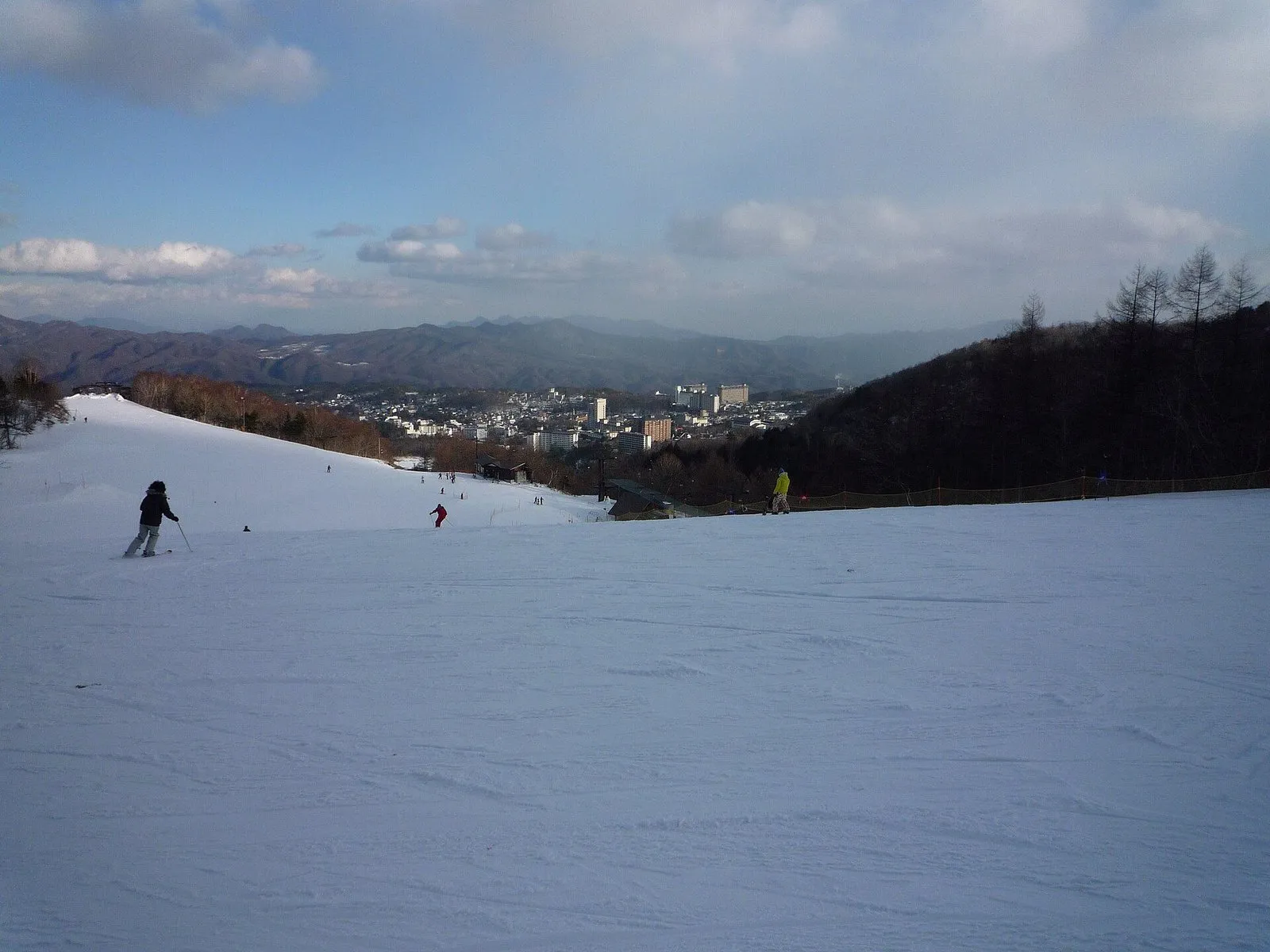
- 10Kusatsu Onsen Ski Area (Mt. Tengu)Up in the hills (bus or car)・5 minutes by car from the bus terminal; free shuttle busA ski area on Mt. Tengu, 1,370 m above sea level, open through the year. Take the gondola to the top for a view over the whole of Kusatsu.
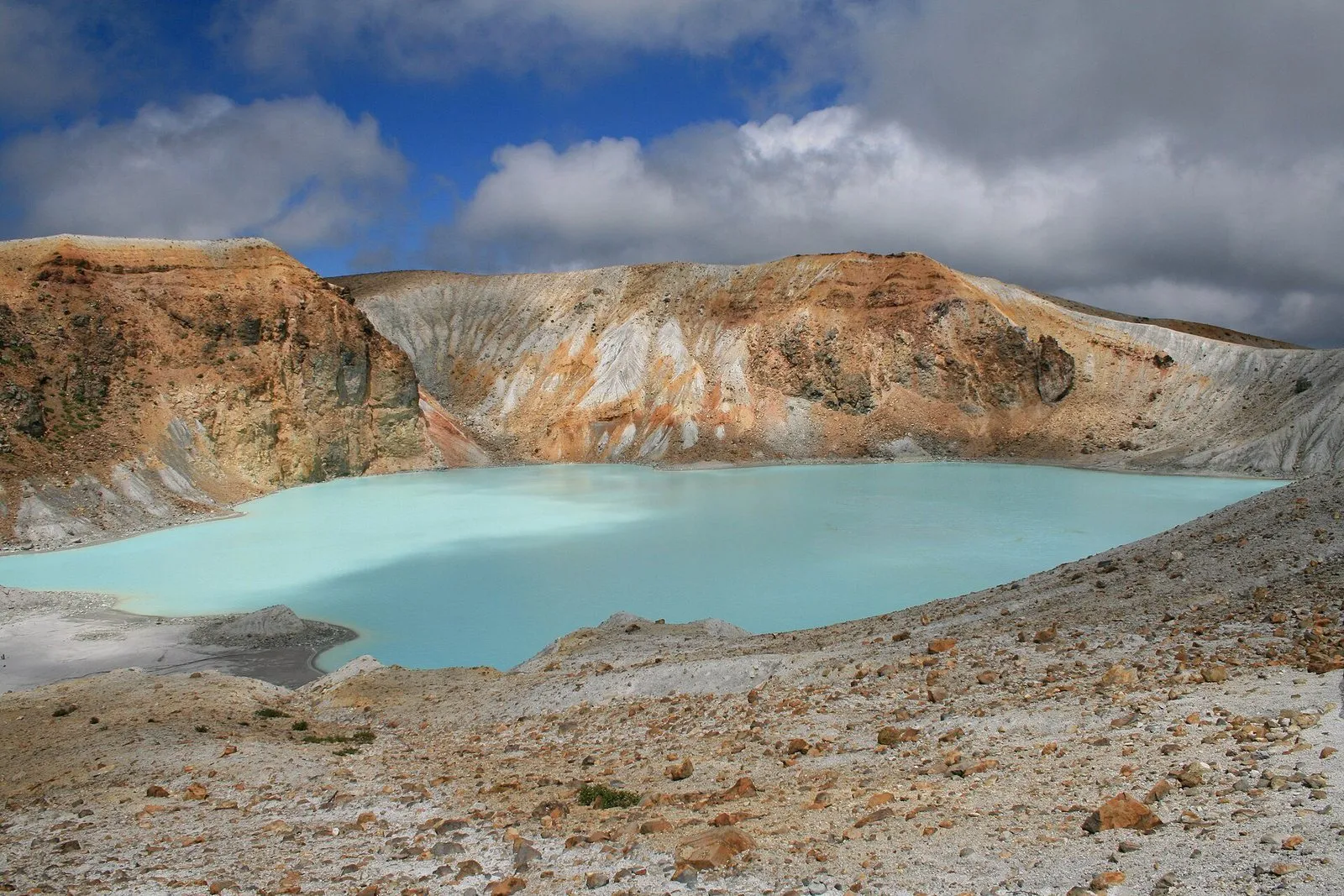
- 11Yugama crater lake (Mt. Kusatsu-Shirane)Up in the hills (bus or car)・Currently closed to visitorsAn emerald-green crater lake at the summit of Mt. Shirane. It is currently off limits because of the volcano, so you cannot get close to it.
Official sightseeing maps (PDF)
Printable maps from the local town or tourism association. Most are in Japanese.
- 草津温泉 観光マップ(2026)(草津町)
- 草津温泉MAGAZINE 2026<春〜秋>(草津温泉観光協会)
- 草津温泉 マップ(パンフレット)(草津温泉観光協会)
Kusatsu is one of Japan’s best-known hot-spring towns, and it’s built around the reason why: in the middle of town, scalding spring water pours out of the ground and runs through long wooden channels in a steaming square called the Yubatake. Around it are public baths, a show where performers cool the water by stirring it with wooden paddles, and lanes of inns. It’s about four hours from Tokyo by direct bus, so it’s best as an overnight trip.
Prices and times were checked in October 2026 on the operators’ and the tourism association’s own pages. Where only an unofficial source was available, we say “about” — confirm before you travel.
Why visit Kusatsu
Plenty of onsen towns have a hot spring. Kusatsu shows you its spring: about 4,000 liters a minute bubble up at the Yubatake, right in the town square. You can spend a day moving between big public baths, tiny free bathhouses and foot baths, then walk the Yubatake again at night when it’s lit up.
How to get to Kusatsu from Tokyo
Direct highway bus (no changes)
The Joshu Yumeguri bus runs from Busta Shinjuku (4th floor) to the Kusatsu Onsen bus terminal, with 7 departures on weekdays between 8:05 and 18:05. The fastest bus takes 3 hours 53 minutes. The last bus back leaves Kusatsu at 17:30. One way costs ¥3,700–¥4,100 depending on the date.
There are also 3 morning departures from Tokyo Station (Yaesu South exit, 8:00–10:20), taking about 4 hours, at the same fare.
Train and bus via Naganohara-Kusatsuguchi
JR’s limited express Kusatsu-Shima runs from Ueno to Naganohara-Kusatsuguchi in about 2 hours 20 minutes, with all seats reserved and only a few trains a day. JR buses meet the trains for the last stretch to Kusatsu, about 25 minutes. Check JR East’s timetable before you plan around it.
Via Karuizawa
Another route is the Hokuriku shinkansen to Karuizawa, then a bus to Kusatsu of about 80 minutes. It’s faster on the train but means a change and a long bus ride.
Top things to see and do in Kusatsu
Yubatake (Hot-Water Field)
Hot spring source- Price
- 💴 Free
- Area
- 📍 Town center
The symbol of Kusatsu: about 4,000 liters of spring water a minute flow through wooden channels in the middle of town. About a 5-minute walk from the bus terminal. Come back after dark, when it’s lit up.
Netsunoyu (Yumomi Show)
Show- Price
- 💴 ¥700
- Area
- 📍 By the Yubatake
Performers stir the hot water with long wooden boards while singing — the traditional way to cool it without adding water. Six shows a day: 9:30, 10:00, 10:30, 15:30, 16:00 and 16:30 (in winter the morning shows move to 10:00, 10:30 and 11:00). No reservations; tickets go on sale 30 minutes before each show, cash or PayPay only. Children of elementary school age pay ¥350.
Sainokawara Park and Open-Air Bath
Park and onsen- Price
- 💴 Bath ¥800
- Area
- 📍 West of the Yubatake
A park where hot water seeps up all over the ground, lit up at night. At the top is a big open-air bath, about 20 minutes on foot from the bus terminal. Open 7:00–20:00 from April to November and 9:00–20:00 from December to March (last entry 19:30). Fridays are mixed-bathing days, when bathing wear is required.
Otaki no Yu
Public bath- Price
- 💴 ¥1,200
- Area
- 📍 Southeast of the Yubatake
A large bathhouse fed by the Nikawa spring, with several indoor and outdoor baths. Open 9:00–21:00 (last entry 20:00), every day except maintenance days.
Gozanoyu
Public bath- Price
- 💴 ¥900
- Area
- 📍 Facing the Yubatake
A wooden bathhouse right in front of the Yubatake — the easiest bath to fit in between sights. Open 7:00–21:00 from April to November and 8:00–21:00 from December to March (last entry 20:30).
A Kusatsu day (and why to stay the night)
On a day trip, the direct bus gives you only a few hours in town. A typical plan:
- Morning: the first bus leaves Shinjuku at 8:05 and takes about 4 hours.
- Afternoon: walk to the Yubatake, catch an afternoon yumomi show at Netsunoyu, then walk up to Sainokawara Park for the open-air bath.
- Late afternoon: a quick soak at Gozanoyu, then the 17:30 bus back to Tokyo.
Staying a night lets you see the Yubatake lit up, try more baths, and catch a morning show before heading home.
Where to stay in Kusatsu
- Around the Yubatake — the center of everything, with inns, the shows and Gozanoyu on your doorstep.
- Near Sainokawara — a little quieter, close to the open-air bath.
When to visit Kusatsu
- Winter is classic onsen season: snow, steam and cold air.
- Autumn brings colored leaves on the hills around town.
- Weekdays are calmer than weekends at the big bathhouses.
Kusatsu FAQ
Can I visit Kusatsu as a day trip from Tokyo?
You can, but it's long: the direct bus takes about 4 hours each way, and the last bus back leaves at 17:30. Most visitors are happier staying a night.
How much is the bus from Shinjuku to Kusatsu?
¥3,700–¥4,100 one way, depending on the date. Buses leave from Busta Shinjuku (4th floor).
When is the yumomi show?
Six times a day at Netsunoyu: 9:30, 10:00, 10:30, 15:30, 16:00 and 16:30, with later morning shows in winter. Tickets are ¥700, cash or PayPay, no reservations.
Can I see the Yugama crater lake?
Not at the moment. Entry within about 500 m of the crater is still restricted (Kusatsu town, October 2026).